| In a lengthy process that pitted publishers and retailers against each other, Judge Denise Cote ruled today that there was sufficient evidence brought forward by the Department of Justice, demonstrating that Apple is indeed guilty or working with publishers to set the prices of ebooks. This collusion was allegedly aimed at reducing Amazon’s power within the retail ebook market, coinciding with the launch of the iBookstore and the release of Apple’s iPad in 2010. With court proceedings that got as detailed as what time emails from one party to another may have been sent, and with some of those emails’ validity even being called into question, this ruling is somewhat of a surprise. Initially, Judge Cote made an opening remark that Apple would have its work cut out for it in the case, since the evidence didn’t look good for the technology giant. This statement alone prompted Apple’s attorneys to openly question whether or not Apple would get a fair trial in this issue. While the five publishers initially involved in the proceedings have long since settled out of court on the alleged anti-trust violations aimed at knocking Amazon’s low ebook prices out of the way, Apple has stated today that it will appeal Judge Cote’s ruling. In a statement to AllThingsD, the defendant said, “Apple did not conspire to fix ebook pricing and we will continue to fight against these false accusations. When we introduced the iBookstore in 2010, we gave customers more choice, injecting much needed innovation and competition into the market, breaking Amazon's monopolistic grip on the publishing industry. We've done nothing wrong and we will appeal the judge's decision.” For its part, law firm Hagens Berman, who filed a separate lawsuit on behalf of consumers in August of 2011, now has the door open to move forward with reclaiming some of the moneys that consumers overpaid for ebooks due to the price fixing. This ruling means that the consumers will not need to go back to court in order to determine Apple’s guilt in this circumstance, since Judge Cote’s ruling today already decides their involvement. “Judge Cote ruled definitively that Apple was guilty of conspiring to fix prices for e-books, and we believe this ruling is binding on the consumer case, meaning we do not need to again prove Apple's culpability in the price-fixing scheme," said Steve Berman in an email. "Once we receive class certification, the only issue that will remain is for a jury to assess damages, which under federal law are trebled, or tripled…When we filed the original consumer case, we were certain that e-book purchasers across the country were victims of a well-organized price-fixing scheme organized largely by Apple. We were heartened when the Department of Justice and the States filed their own anti-trust cases. Those cases were masterfully prosecuted, culminating in today's ruling."
Apple Found Guilty of Price Fixing in DoJ Lawsuit is a post from: E-Reader News |
Wednesday, July 10, 2013
Apple Found Guilty of Price Fixing in DoJ Lawsuit


New York Times App Now Available on the Kindle Fire
| The New York Times has introduced a dedicated app for the Kindle Fire line of tablets today. The company has never had a presence on the Amazon Android ecosystem before and is hoping to entice users with some new content. Starting today, the Times has lifted its digital paywall and will allow new users to read all of their news for free! You will be able to enjoy full unfettered access until July 31st and then be prompted to take out a digital subscription. New York Times App Now Available on the Kindle Fire is a post from: E-Reader News |

New on the OverDrive Partners Portal: OverDrive Library Service FAQs
| Here at OverDrive, we appreciate the time, energy and dedication of librarians who help users on a daily basis. We know you're on the frontlines, and we want to support your efforts and make your job easier whenever possible. The new Library Service FAQs located on the Learning Center tab of the OverDrive Partners Portal will do just that.
The OverDrive Library Service FAQs is a comprehensive collection of the most popular questions from our library partners now available in an easy to access location. Save yourself an email or web form submission to our Support Services team by bookmarking this page (http://partners.overdrive.com/learning-center/faqs/) and perusing the various sections on Collection Development, Digital Formats, Troubleshooting, User Training and more.
And don't forget, a team committed to serving your library is always here to help. You can find contact information for the team members in OverDrive Marketplace on the Support tab in the right column.
Heather Valentine-Gold is an Account Specialist with OverDrive  |
Introducing our Artist in Residence, Rachel Rayns!
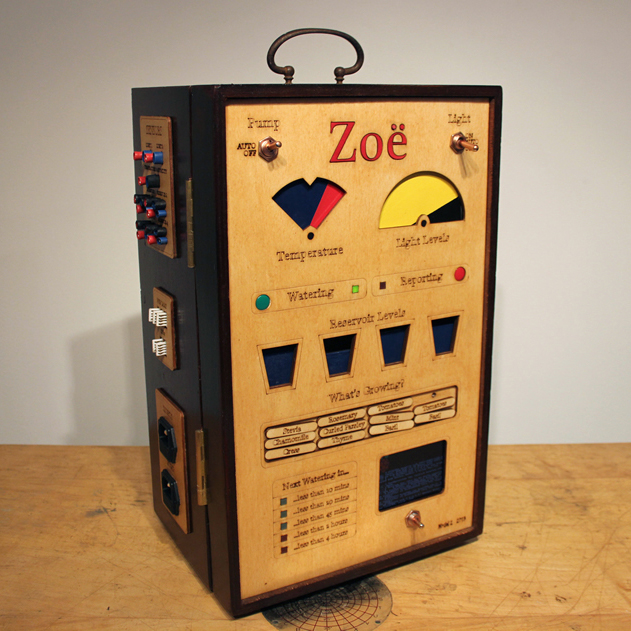
| Liz: We talk a lot here about making, designing, and how computing is just as much a creative discipline as it is a technical one. 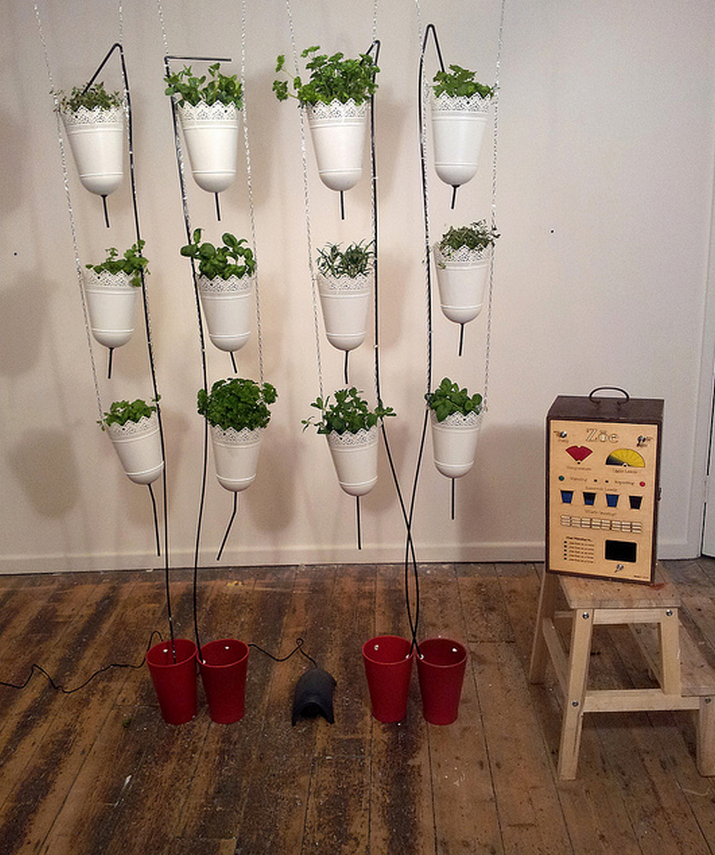 What’s this? Read on to find out… There’s a weird dividing line in many people’s heads between creativity and technology. I hope that the projects we show you on this website demonstrate that there shouldn’t be. That dividing line puts the idea in the heads of many tech-oriented people that they aren’t any good at being creative; and vice-versa, it gives many creative people the impression that technology is not for them. This isn’t good for anyone, and it’s something we’re working to address, from school level right up to proper grown-ups. On Tuesday I found myself in a meeting with Sir Peter Bazalgette, Chair of Arts Council England, talking about the Pi’s potential as a tool for artists. We’re seeing more and more artists using the Pi in installations; it’s ideal for this sort of use, given all the exposed GPIO which can be used to sense things, drive things and make objects in the real world interactive, as well as its ability to drive 1080p HD displays. And, of course, it’s cheap: being able to buy a Pi for $25 means that adding computing to an installation is suddenly brought within the budgets of even garret-dwellers. At school level, we’re trying to make it clear that computing is creative – when it comes down to it, it’s all about making things, whether they be programs or robots. Without design-focused digital creatives we’d have no games industry, no CGI, no graphical user interfaces and a very boring computing environment. If I could, I’d rebrand the Computing GCSE as a GCSE in building robots, installations and wearables, and writing games. Takeup would increase tenfold overnight. Rachel (who was presenting at that Arts Council meeting on Tuesday) has been with us for a couple of months now, but we’d been unable to announce her arrival until she’d finished work on a separate project. That’s all done now, and we thought you’d like to learn a bit more about her and why she’s with us: over to you, Rach! (We are introducing Rachel with a self-portrait-with-pie from one of her recent photography projects. Serendipitous, no?) Rachel: Hey everyone! I’m Rachel Rayns. I’m an artist and maker based in Norfolk, UK. I am not a traditional artist – I can't draw or paint (much to my annoyance). Within my work I like to investigate how we use and react to technology; I mostly make films and machines! At university I developed a specialisation in really technically complex films – I would use a 16mm camera and shoot one alternate frames and then CAREFULLY rewind the film and shoot on the frames I hadn't done first time round. I had my artworks and films shown at the Whitechapel Gallery, the London Short Film Festival, Glastonbury Music Festival and many other galleries and events. 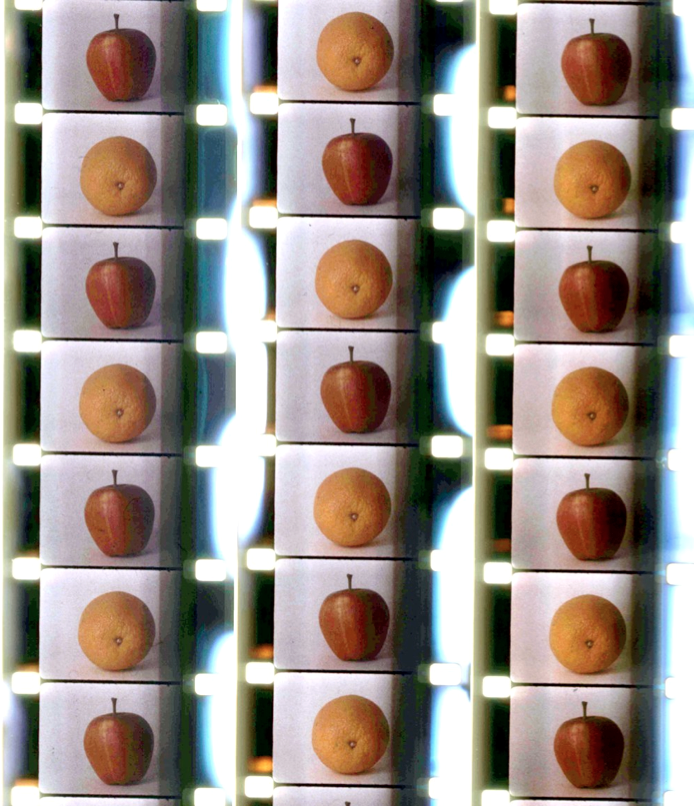 16 Films, Rachel Rayns While I was at university, I collected film cameras and made online tutorials for developing your own colour celluloid film (one of which compared developing film to making a pie – which is where the picture at the top comes from!) After I graduated I founded Soup Lab, a not-for-profit art organisation which focused on how new and old technologies could work together. Soup Lab ran a space in Norwich from Dec 2011 to March 2013 with a full darkroom, editing suite, motion picture film lab, gallery and offices. I directed the space and curated the programme.  The ceiling-mounted stop-animation camera rig for Rachel’s film 2D Dreams, which was chosen to open the Straight 8 Festival and proves that duct tape is the force that holds the universe together. 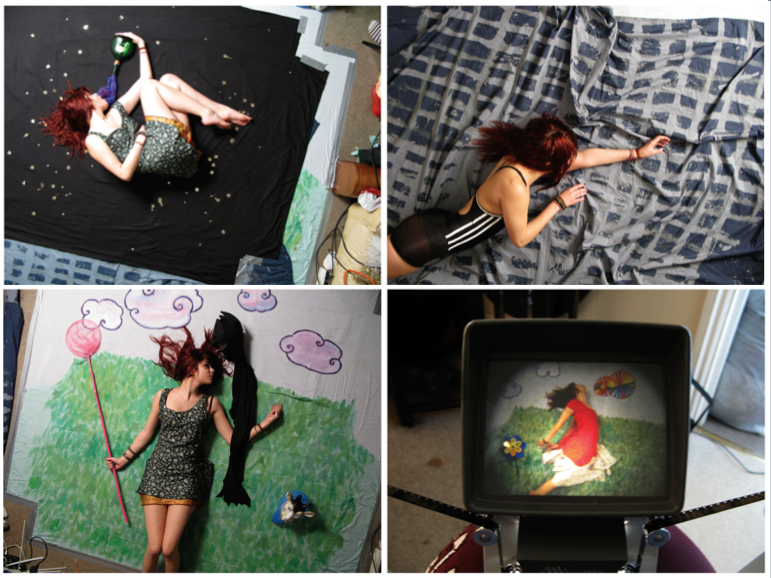 Making-of shots from 2D Dreams I had heard of Arduino, I had even owned one, but I never really did anything with it. Then I heard about the Raspberry Pi and like lots of you, pre-ordered one. It sat on the shelf for a while while I thought about what to do with it, and eventually I decided to make a super-duper hydroponic gardening system, that panics and tweets when she needs water and hosts her own site, showing off photos of her flowers when they bloom. Zoe is a robot in a romantic relationship with her garden: when she and the garden are happy (when the garden is growing healthily and the plants are watered) she posts pictures of their connubial bliss, but when the soil is drying out she takes to social media to ask questions about how to improve her relationship with the plants. Now I have built most of the mechanics of the machine – but I will be asking for your help later on to make it go! 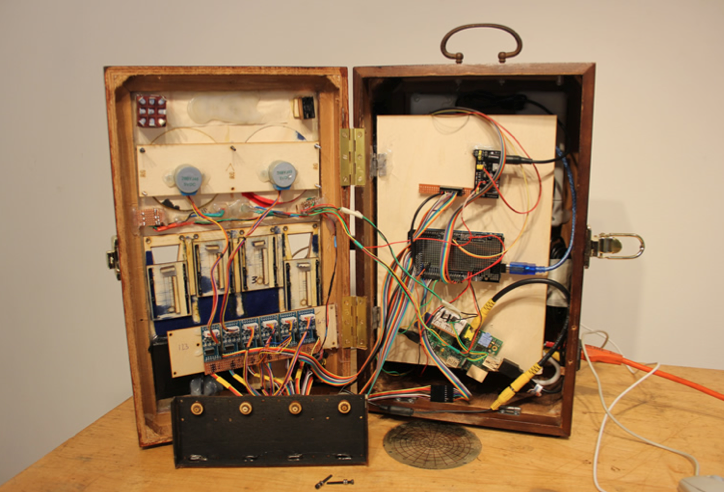 Zoe Star’s innards. Note Pi. So, now I'm working on more Zoe Star machines with different functions: humorous devices from alternate realities! I am all about getting people to start doing things. I love running workshops which involve using materials people haven't tried before. In the past I’ve run workshops at Tate Modern and Brighton Photo Fringe. I have also give talks and sit on panels discussing makers, artists and technology – last weekend I was at the Victoria and Albert Museum talking about Pi, art and creative tech, and talking at the Elephant and Castle's first Maker Faire with Tim Hunkin – eep!  Rachel’s most recent interactive workshop/exhibition at Tate Modern, where attendees hacked celluloid film. So, what’s an artist-in-residence, you’re asking? An artist-in-residence is usually invited into an organisation to create art which responds to the work the organisation does, the physical space they’re working in, or even a particular project. I will be working on the Zoe Star series and exhibiting Raspberry Pi projects in a number of places (including some room the guys have freed up especially for display at Pi Towers), but I’ll also be creating tutorials for this site, and setting you some challenges for you guys! I'll be working on documentation aimed at artists in helping them getting started with technology in their practice, seeking out artists already using the Raspberry Pi in their work and making sure you guys know about it; and I’ll be representing the Raspberry Pi Foundation at art events and helping the rest of the team run workshops whenever needed! 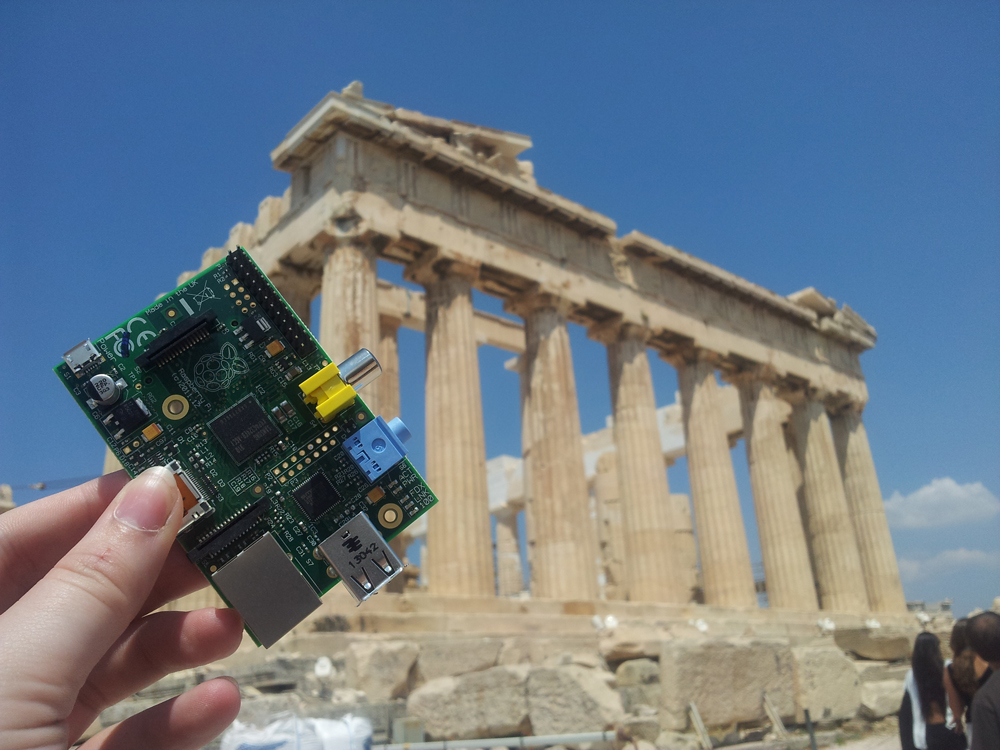 We sent Rachel to represent us and talk about the Raspberry Pi at the Athens Video Art Festival 2013 earlier this year – she mailed me this to prove she was really there… I’m currently working on a bunch of projects, including preparing for an awesome new Minecraft project with the Foundation for Art and Creative Technology and PrintCraft - I’ll have more news on that soon. I'm also running a three-session workshop programme to make your own Zoe Star machine with my help at the Victoria and Albert Museum in late November and early December – so keep an eye out for that! And I will be working lots on more Zoe Star projects with some lovely folk at Norwich Arts Centre, Writer's Centre Norwich and Cambridge MakeSpace. 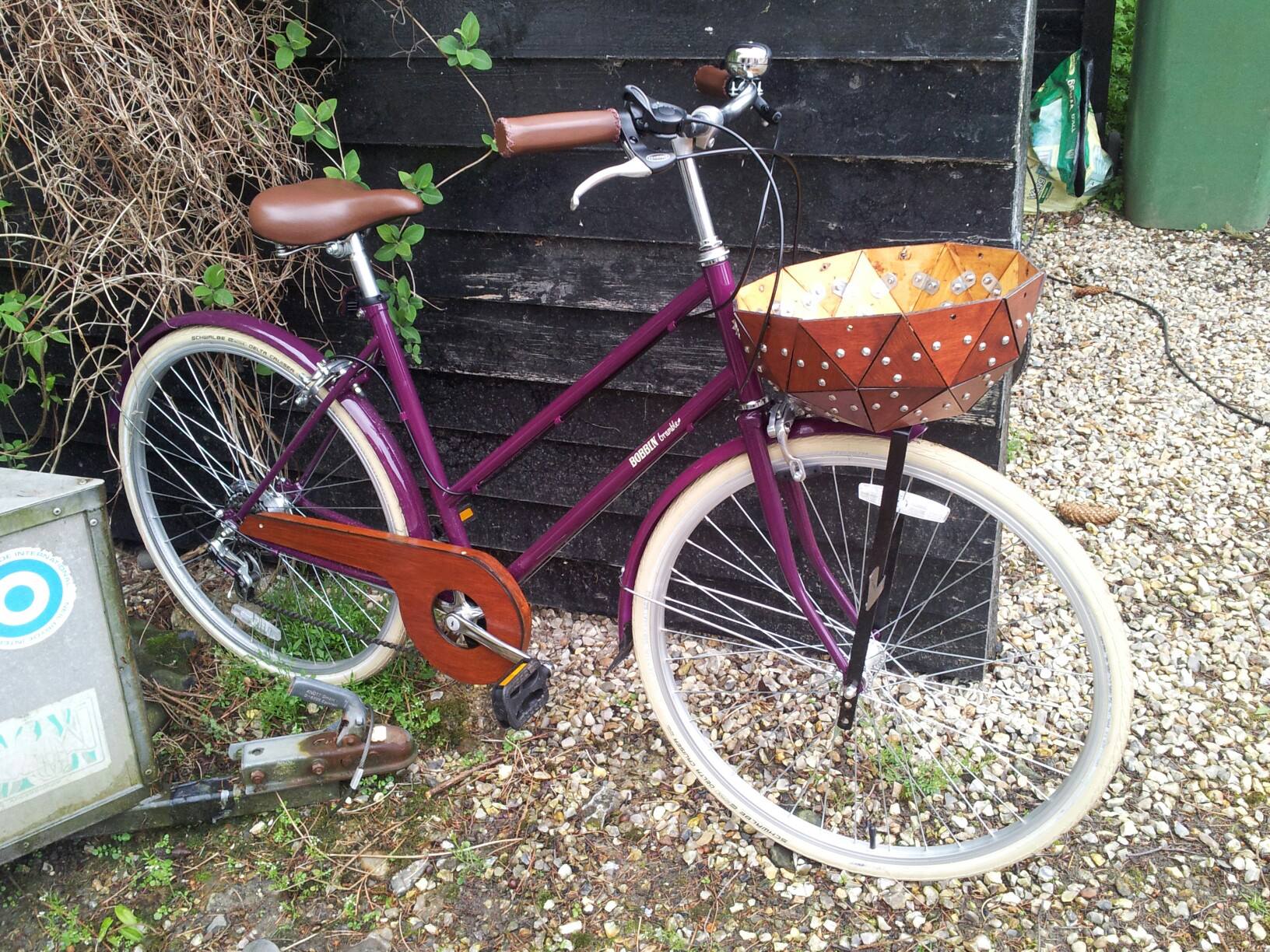 This is Rachel’s bike, with its handmade, laser-cut basket. You can see why we thought she’d be right at home with the Foundation. When people ask me what I’d like to do when I grow up, I say I would love a little studio – somewhere to be making all day, where I could also run workshops and have chats with interesting people. So, actually, I am already exactly where I want to be! I had never thought of becoming an engineer before spending time around Raspberry Pi and hackerspaces – when I was at school my appetite for hacking and making was seen by teachers as a suggestion that I should be studying art. Engineering was never on the table – and I don’t want to drop the gender bomb, but I do wonder if it’d have been the same if I’d been a boy with the same skills. I wish I'd had the opportunity when I was choosing my first degree, and if I return to university I'd love to study on the Innovation Design Engineering course at the Royal College of Art. I am super happy to be here. If you have any questions let me know and I’ll try and answer them! Liz: thanks Rach! If you live in or near London and you’d like to meet Rachel, learn more about Zoe Star and talk to her about what she’s doing with us, she’ll be at the Internet of Things Meetup in EC2 on July 16 (that’s next Tuesday). She’ll also be answering your questions in the comments here: so get commenting! |


Happy Birthday, App Store: App Developers Celebrate with Free Content
| It’s hard to believe that Apple’s widely popular app store is five years old today. They grow up so fast. To celebrate the milestone, Apple has released five apps and five games for free, although other apps are reportedly also free for a limited time without quite as much fan fare. As one source stated, today would be a good day to go see if the price of an app you’ve been needing just happens to cost a lot less. The announced apps and games include Barefoot World Atlas, Day One, How to Cook Everything, Over, and Traktor DJ. The games are Badland, Infinity Blade II, Tiny Wings, Where’s My Water? and Superbrothers: Sword and Sworcery EP. Since these prices are set by the app developers and not by Apple, there is no official announcement as to how long these apps will be available for free, as well whether or not the price drop—a nearly $20 discount for Traktor DJ—was intentional for the milestone. However, ABC News did speak with the head of one app developer, who confirmed that the promotional price is a nod to the app store’s birthday: “Barefoot World Atlas went free this morning and will remain so all this week to help celebrate five years of the App Store,” said TouchPress CEO Max Whitby. “Today’s promotion is another step down the road to help spread the word [about our apps].” Since the developers are not being compensated by Apple for their decision to reduce the price of their product, what would prompt them to make this offer? First, over the course of the app store’s five-year run, over $10 billion has been paid to its app developers. Also, as authors and publishers have discovered with ebooks, a short run at a drastic discount might mean a small loss of potential revenue, but it can be made up for in terms of boosting rankings and discovery due to increased downloads.
Happy Birthday, App Store: App Developers Celebrate with Free Content is a post from: E-Reader News |

Goodreads Users Reveal What Makes a Book Readable
| Goodreads is not only one of the top sources for online book discovery, but the buzz platform also commissions a number of surveys that provide very real insight into what reading consumers are thinking. Asking their users detailed questions from how they are most likely to find new titles to what makes the choose a cover, actual useable information comes through via their surveys. Goodreads has now released a very telling infographic on book abandonment. This information, based once again on user surveys, asked respondents to explain how often they don’t finish a book, how much of it they felt obligated to read before deciding to walk away, and what some of the crucial characteristics are that make them decide to finish or abandon a particular book. The first set of data from the survey revealed the top five current titles that readers have abandoned part way through, as well as the top fives “classics” that readers just couldn’t bring themselves to finish. Among the current reads, JK Rowling’s A Casual Vacancy and EL James’ Fifty Shades of Grey topped the list, Rowling’s for being too vastly different from her previous works for fans’ liking, and James’ work for being an embarrassment to books. Rounding out that list were Wicked, The Girl with the Dragon Tattoo, and Eat, Pray, Love. It is interesting that those last three books have all been adapted for screen or stage, and that James’ work is currently in production for a film. In the case of Wicked, readers actually cited that as the reason they couldn’t finish the book, as they had bought it based on seeing the hugely popular Broadway production and were disappointed that the book and stage version didn’t align. More useful for authors and publishers alike may be the survey results that asked participants to explain why they abandon a book in the first place. Common culprits were an introduction that took too long to get interesting–the same reason that most people stated they had abandoned The Girl with the Dragon Tattoo–weak writing, and lack of connection with the main character, among others. While more than 38% of the respondents said that they do not abandon books, finishing it regardless, this is very telling information on what readers want. It might be tempting to dismiss the survey data as not being relevant. After all, JK Rowling set records at the time for pre-orders of her book, and EL James’ title has made her quite successful. And while the books that readers abandoned admittedly were paid for and the sale concluded, these authors may not be in a hurry to spend their time or money on the next titles from authors whose works they couldn’t stand to finish.
Goodreads Users Reveal What Makes a Book Readable is a post from: E-Reader News |

The Indie Revoluution Has Been Won, So Why Are Publishers Not Adapting?
| It’s literally been years since publishing industry experts first scoffed at the current self-publishing methods, as the book world as a whole looked down their noses at authors’ feeble attempts to get published. From the beginning, self-publishing was the kiss of death for a book, if not for the author; as big-name authors began to get big-number contracts off their self-published efforts, that attitude began to change, in the eyes of the publishers and the readers. But if self-publishing has adapted to the market to the point that authors can find a level of satisfaction in the process, why aren’t traditional publishers changing their business practices to recreate that process for their own titles? In an article for HuffPoBooks and her blog, author Alanna Brown explains what is currently holding traditional publishers back, namely, the tired-out archaic strategies that they have relied on for decades. And while she brings up two well-known complaints with traditional publishing–insultingly lower royalty rates by comparison, and the snail’s pace of getting a book from the submission stage to a bookshelf–it’s really the marketing of books that quite possibly may be hurting publishers. As Brown explains, publishers just aren’t able to make SEO happen. “James Altucher, an author who’s taken both routes, candidly discloses the abysmal lack of marketing effort he’s experienced with mainstream houses. Of the handful of books he’s released, the two he self-published sold more than five of his traditionally published books combined. He affirms that the chief inquiry of a big publishing company is, ‘How big is your platform?’ Before even looking at a new author’s proposal, ‘They want to know how you can market the book and if they can make money on just your own marketing efforts,’ says Altucher.” Traditional publishers want to see a steady following–or built-in consumer base–before agreeing to work with an author because their marketing dollars just aren’t there. The joke of finally being given some measure of validation by the publishing industry in the form of a book deal is that the author is still going to work just as hard on marketing as a self-published author, but for a 15% royalty instead of the typical 70% offered through ebook distribution platforms.
The Indie Revoluution Has Been Won, So Why Are Publishers Not Adapting? is a post from: E-Reader News |

From FishPi to LittleBox – a Kickstarter to turn your Pi into a desktop PC
| Remember Greg Holloway, the mind behind FishPi? He did a guest post for us about a year ago (complete with kraken) about the difficulties of making an autonomous, solar powered, ocean-going robot. He’s now launched Littlebox, a Kickstarter for a DIY kit to turn your Pi into a desktop PC.
There’s a resistive touchscreen! A USB hub! A lovely little GPIO panel that’s brought out in the front of the unit! Speakers and an amp! Greg has details of the development over at Instructibles if you want to learn more about the build. We think it’s a great project, and we hope you’ll consider funding it. Littlebox’s Kickstarter only went live yesterday, so there are still some Earlybird packages left – go and check it out! |
Tuesday, July 9, 2013
DC Cancels Two Digital-First Comics, Cuts Print Edition for a Third
| DC Comics has been publishing digital-first comics for over a year now, and its strategy has been to publish the comics first in individual chapters for 99 cents each, then collect three chapters at a time into print comics priced at $3.99 (yes, print costs more than digital here). The logic here is that DC gets to sell the same story twice, presumably to different audiences, although there are probably a few diehards who will buy them both ways. This week, though, DC announced some changes to the lineup: Two series, Ame-Comi Girls and Arrow, are being discontinued in print and in digital, while a third series, Legends of the Dark Knight, will skip the floppies and go straight to trade. A look at estimated sales in comics shops compiled by the retailer site ICv2 makes it pretty clear why: sales of all three comics have plummeted since their release. Legends of the Dark Knight #1 sold 42,904 copies; sales of the second issue were down by more than 25%, to 30,085, and while the curve flattened out a bit after that, each issue still sold fewer copies than the one before, with the most recent issue selling only 16,678 copies in the month it came out. Arrow showed a similar pattern, starting with 25,442 copies of issue 1 and winding up with only 9,671 copies sold of issue 8. Ame-Comi Girls did a bit of a relaunch halfway through, with new numbering, but the first issue sold 24,966 copies, the first issue of the new series sold 16,558, and the most recent issue sold 11,229. The cancellations follow the pattern DC has established with its print comics; Todd Allen did some analysis a few months ago that seems to show that once sales of a print comic drop below 18,000, it is in danger of being canceled. One might expect that threshold to be lower with digital-first comics, because digital as well as print sales contribute to the bottom line. For comparison purposes, let’s look at a couple of digital-first comics that weren’t cancelled this week: Smallville Season 11 #14 moved 15,097 copies in June, and Adventures of Superman #2 sold 22,407. So maybe we can look at sales of 12,000 to 17,000 as being the danger zone, with various factors that we can’t see (how many copies are selling digitally, how much the creators are being paid) affecting the outcome. That may explain why Legends of the Dark Knight is going to go straight to trade, even though it sold more single-issue comics in June than Smallville. DC Cancels Two Digital-First Comics, Cuts Print Edition for a Third is a post from: E-Reader News |

Amazon Working on Three New Tablets for Fall Release
| Amazon got into the tablet game a few years ago and is now in the habit of offering three different versions that appeal to different segments of users. A new report has surfaced today that gives us a sense of what to expect from the refreshed line due out this fall. An updated 7-inch Kindle Fire will reportedly feature a 1200 x 800 resolution display. The current 7-inch Fire retails for $159 with a 1024 x 600 panel. The pixel upgrade will thereby improve screen resolution on par with the current Kindle Fire HD. The upcoming version of the Kindle Fire HD will actually jump to a 1920 x 1200 display. Finally, the 8.9-inch Kindle Fire will bump up to an impressive 2560 x 1600-pixel screen, besting the Retina display of Apple’s iPad. You can expect that all of these devices will be cheaper if you opt into the WIFI only with Special Offers. These are the lowest priced models available and they recoup costs by displaying advertisements on the home screen and lock screen. You can easily remove these with a one time payment of $25.00. The more popular models give you 4G access to allow you to read and buy content on the go. The most appealing tablet that Amazon is developing is the 8.9 inch edition. If graphics and resolution are your thing, about the best thing on the market running Android is the Nook HD+, which has 1920 x 1280. The new Fire HD 8.9 is going to have an amazing 2560 x 1600, which will surely appeal to the gamers, video watchers, and magazine lovers. Currently, there is no word on pricing or the specific launch date. Amazon tends to submit items to the FCC via shell companies and makes the discovery of these items very hard to find. Amazon Working on Three New Tablets for Fall Release is a post from: E-Reader News |

Txtr Slashes the Price of the Beagle e-Reader to €19.99
| Txtr is best known for its multilingual ebook store that is available in Europe, Canada, and other markets. The company has dedicated apps for both iOS and Android that allow customers to buy books and read them directly within the apps. One of the company’s little known offerings is the Txtr Beagle. This is a very low-cost reading device that connects up to your tablet via Bluetooth, which you can use to transfer ebooks to it. The Beagle was supposed to see a global roll-out with a very low price tag, due to telephone carriers heavily subsidizing it. This never panned out and the Beagle has been relegated to only being available in Germany. Today, Txtr has announced it has slashed the price on the Beagle to a paltry €19.99. Txtr is feeling the heat of competition in the summer months with a number of other e-reader companies offering discounts. TrekStor Pyrus Mini is on sale at Thalia for €35 and the Kobo Mini is on sale at Saturn for €29. Good e-Reader was very proud to be the only company in the world that legitimately reviewed the Beagle and we had a solid month with it to seriously evaluate it. The Txtr Beagle features a five inch E Ink Vizplex screen with a resolution of 800 x 600 pixels. Most e-readers these days do 16 levels of grayscale, while this model only does 8. Txtr has informed us that the final model will have E Ink Pearl, which should give it 16 levels of grey and sharper/crisper text. There are 4 GB of internal memory and five ebooks can be cached at any given time. We noticed we had way more than five books loaded on the Beagle, and it only took a bit longer to open them up, so you are not exactly limited to five. The Beagle boasts of one year battery life, thanks to the 2 AA Energizer Lithium Ion batteries that are included in the box. It also is being billed as the world's lightest reader, but that's not entirely true. The Wexler Flex One currently wears that crown at 110 grams, while the Beagle is 128 grams (with batteries) and 111 grams (without batteries). This is an extremely bare-bones reader. There is no WIFI, Mini or Micro USB ports, or any expandable memory via SD. There are three main buttons on the bottom of the screen which function as the Left/Right and Home. About the only thing it has is Bluetooth, which is used to facilitate copying ebooks right from your phone or tablet to the Beagle. The Beagle is officially now the cheapest e-reader in the world, but I would not recommend buying it. It takes batteries, the screen technology is 3 years old and you need Bluetooth to load anything on it. Txtr Slashes the Price of the Beagle e-Reader to €19.99 is a post from: E-Reader News |

Amazon Publishing Launches Comics, Graphic Novels Imprint
| Amazon’s traditional publishing arm, Amazon Publishing, has a number of genre-specific imprints already producing titles from sought after authors. But today, the publisher announced the launch of a new imprint, Jet City Comics, that will join the publisher’s nine other specific imprints, as this one will focus on comics and graphic novels. The new imprint already has an impressive lineup of titles coming over the course of the next few months, from authors like George R.R. Martin, Hugh Howey, and Neal Stephenson. "Comics and graphic novels, especially in digital format, represent a unique area for innovation," said Jeff Belle, Vice President of Amazon Publishing, in a press release announcing the launch. "Our focus will be on adapting great books for this medium as a means of expanding the audience for our authors, pushing boundaries with new ideas that combine visual and narrative storytelling, and creating compelling new experiences for readers." “It's a dream to work with superstar authors like George, Hugh and Neal on the launch of a new imprint," said Alex Carr, Senior Editor of Jet City Comics. "Millions of fans have read and loved their novels, and with Jet City we look forward to opening up these iconic worlds to new audiences. We're working with an incredible, hand-picked team of comics professionals, writers, artists, and translators, who have done an amazing job developing and expanding these inventive stories. I'm looking forward to the response from comics readers and fans." While jet City Comics will be releasing a graphic novel adaptation of an original short story by Martin, fans of Howey’s Wool series will be thrilled by the graphic novelization of his bestselling dystopian titles. "My fans have been clamoring for the return of Dunk & Egg ever since the graphic novels of 'The Hedge Knight' and 'The Sworn Sword' went out of print several years ago," said author George R.R. Martin, "so I am delighted to announce that Jet City Comics is bringing them back—newly formatted for digital readers, and in paper for those who still prefer the traditional formats. And Jet City will be bringing you something new as well: the graphic novel 'Meathouse Man,' adapted from one of my strangest, darkest, and most twisted short stories by the amazingly talented Raya Golden. I'm pleased and excited to be a part of Jet City's takeoff. May they fly high." This announcement comes after the news from Kobo that their partnership with Aquafadas will open doors for comic and graphic novelists to self-publish their works to a variety of platforms and digital devices. While still a traditional publishing route, Jet City Comics will be releasing its titles in digital format as well as print, meeting the need for content that many fans of the genre are seeking.
Amazon Publishing Launches Comics, Graphic Novels Imprint is a post from: E-Reader News |

Are Print Books More Valuable than Digital?
| At the onset of e-reading brought on by the flood of dedicated devices to the market, the reading community seemed fairly well divided into two camps: those who embraced digital reading, and those who steadfastly refused to relinquish paper. While the first get praised e-readers for their portability and storage capabilities, the print fans insisted that nothing could replace the experience of a bound book. A piece by Rachel Arons for The New Yorker discussed the differences in so-called book fetishists, people who treasure printed books as an object of beauty, and not just for their literary value. While it may be easy to dismiss these collectors as what the name implies–people suffering from a severe fetish for print media–they are actually a driving force in the book industry. As Arons points out, there are whole niche markets for these book fans, such as a perfume based on the smell of an old book and a spray that is e-reader safe but that will make the device smell like a book. There are whole art genres based on pieces made from collected book materials, gallery pieces that adorn the owners’ walls with…books. While these fans might be a dying breed as more and more consumers turn to the price and convenience of ebooks, the publishing industry is still feeling the effects of a market driven by print fans. A number of surveys have cited the responses from consumers who have embraced the digital revolution themselves, yet still prefer print books for their children, stating that they want their children to experience holding a book and developing a love for reading. And the value that some consumers place on printed books can still be seen in the ongoing debate over what prices should be for books, both print and digital. Even as e-screen technology improves and tablets support a very real simulated turning effect, the fact remains that industry watchers’ predictions from only a couple of years ago are proving true: there will be no death for either paper or digital, as both formats have their place in consumers’ hearts and wallets.
Are Print Books More Valuable than Digital? is a post from: E-Reader News |

AudioGo Showcase: Schroder
| Amity Gaige's Schroder made the list! AudioGo's Top 100 list is on sale this month in OverDrive Marketplace; and in order to give our users a better sense for the quality and extensiveness of titles available through AudioGo, I chose to do a brief review of Schroder and give some insight into why it made the Top 100.
Eric continues to live through the façade he has created into adulthood and marriage; where the decisions he made in his youth begin to affect his future.
Jennifer Egan
"In SCHRODER, Amity Gaige explores the rich, murky realm where parental devotion edges into mania and logic crabwalks into crime. This offbeat, exquisitely written novel showcases a fresh, forceful young voice in American letters."—Jennifer Egan, author of A Visit from the Goon Squad
*You can find Schroder on sale in OverDrive Marketplace in our Must Have's list under AudioGo 30% off sale.
Laura Guldeman is a Collection Development Analyst for OverDrive  |
 I began reading Schroder by Amity Gaige with an open mind. The story turned out to be an easy read; but I found myself facing a storm cloud of social issues: some expected some not. The protagonist of the story, Eric Kennedy, aka Eric Schroder (where we get the name for our tale) attempts to remake his life as a youth at an 'all boys' summer camp, fabricating an elite backstory of having some distant relation to the Hyannis Port Kennedys.
Android Jelly Bean Is the Most Used Version as Revealed in Latest Pie Graph Revelation
| Google has come up with a new pie graph revealing details of the usage pattern of the various Android versions. What can be termed as the most interesting revelation of the latest figures released by Google is that Jelly Bean has seen greater uptake in the past few months, so that the newest Android iteration has grown in its user base from 33% to 37.9%. That is a healthy improvement, and elevates it to the most used operating system. Gingerbread, present in 34.1% of devices, has slipped to the second slot, while Ice Cream Sandwich (23.3%) has slipped to the third spot. However, with the Jelly Bean platform, it is the newer 4.2.x version that is present on a minority 5.6% of devices, while a majority 32.3 percent users are still hooked on to Android 4.1.x Jelly Bean. The above data has been collected during a 14 day period ending on the 8th of July based on the devices that had visited the Google Play Store. The data recorded during the previous cycle ending June 3 had seen Gingerbread reigning at the top with 36.5%, followed by Jelly Bean in 33% of the devices. Ice Cream Sandwich was recorded on 25.6% of the devices. Android Jelly Bean Is the Most Used Version as Revealed in Latest Pie Graph Revelation is a post from: E-Reader News |

Nokia Tablet Emerges Once Again
| The Nokia tablet is here again, making it perhaps the umpteenth time the device has hit headlines. The series of flip flops have been punctuated by confirmations once in a while that the company is indeed in the race to develop a tablet device. However, all of the hype nearly disappeared, except now we are seeing a remarkable resurgence of a prototype model once again. However, lest there be joyous outbreaks to mark the arrival of Nokia at the tablet scene, let's set the record straight. The new images represent the prototype device that the Finnish phone maker had produced, though nothing has ever made it to the final production stages. Sources reveal the device is packed with the NVIDIA Tegra 3 quad core chip rated at 1.3 GHz, 2 GB RAM, and a 10.1 inch 16-point touch touchscreen. Other features of the tablet included a HDMI out slot, a full sized USB port, and a micro SIM card slot. Also, of course, the tablet runs Windows RT and shares quite a few design cues with the present crop of Lumia devices. The images also reveal a magnetic connector similar to the Surface devices. A total of 5 images have emerged of the cancelled device and have been posted at the site Naver Cafe Forum by a user who claims to have received it from someone at Nokia. However, Nokia fans that might have been eager for a tablet from the company can still have hope. Sources close to the project have confirmed to The Verge that the company is working on a Windows 8 version instead. The closest that we have seen Nokia coming to launch a tablet was during the MWC event held early in the year, though that never came to be.
Nokia Tablet Emerges Once Again is a post from: E-Reader News |

Kobo Releases Blackberry 10 e-Reading App
| When the Blackberry Playbook was originally released, one of the preloaded apps that came bundled on it was Kobo. The two Canadian companies reached an agreement early on to give readers a chance to instantly tap into an expansive ebook ecosystem. Today, Kobo has announced that it has finally released its seminal e-reading app for Blackberry 10. “The Kobo app creates the ideal reading experience for BlackBerry smartphone customers who want to be able to consume books wherever they are and whenever they want,” said Wayne White, EVP of Devices, Kobo. “Readers will be able to manage their library and pick up right where they left off, all on their smartphone.” BlackBerry 10 smartphone customers who download the Kobo app will receive Forbes.com blogger Jessica Hagy’s How to be Interesting After you Graduate. After Hagy’s “How to be Interesting” post on Forbes.com went viral, attracting more than 1.4 million viewers, Hagy captured her ideas in this quirky book about how to stand out from the crowd. The book, exclusive to Kobo, will be automatically loaded to a customer’s account upon download of the Kobo app. The Kobo e-Reading app is now available for download on the BlackBerry World, and you can download over 4,500 other BB10 apps at the official Good e-Reader App Store. Kobo Releases Blackberry 10 e-Reading App is a post from: E-Reader News |

XinXii’s iPhone App: Self-Publishing on the Go
| German ebook distributor and self-publishing platform XinXii, who distributes authors’ ebooks worldwide, serves eight languages, and works in three different currencies, has been working with self-published authors internationally for some time, but yesterday announced that it was the first of its kind to offer an iPhone app interface to its platform that lets authors work from their iPhones. “The stated objective of XinXii is to support indie authors in managing their book project not only professionally but also as conveniently as possible,” says Dr. Andrea Schober, founder and CEO of XinXii, in a statement yesterday. “The XinXii’s app for authors is an important building block. This tool allows authors to use our service flexibly outside the online platform.” This app incorporates the mobile ability that lets authors stay on top of their sales, book dashboards, and track revenues right from their mobile phones, as well as accessing some of the features of the XinXii site. Since checking their important book data is a crucial part of the author business, this portability allows authors to maintain control over their sales data, one of the chief complaints authors have had over the years about relinquishing their books to traditional publishers. The XinXii’s App for Authors is available for iPhone (all versions starting from iPhone 3GS and iOS 4.3) on the App Store in English ( https://itunes.apple.com/us/app/xinxii/id645485548?l=de&ls=1&mt=8) and in German ( https://itunes.apple.com/de/app/xinxii/id645485548?l=de&ls=1&mt=8) for 1,79 EUR, $ 1.99, £ 1.49. The app is available as a free download until July 14, 2013.
XinXii’s iPhone App: Self-Publishing on the Go is a post from: E-Reader News |

Have you grabbed your free SYNC audiobooks yet?
|
This wonderful program goes through the middle of August so if you haven't been grabbing your free titles, now is the time to start! Each week, two titles are available for free to anyone who goes to http://www.audiobooksync.com. Once downloaded, these titles are yours. These titles are great for road trips and traveling, multitasking or even to enjoy while you drift off to sleep (if you listen to them through the OverDrive Media Console app you can access our sleep timer).
Looking for a way to keep students engaged during their time away from school? Studies show that listening to audiobooks can help with reading comprehension as well as knowledge retention. If you've never listened to audiobooks, why not take this opportunity to give them a try? Summer will be over before we know and so will the SYNC program. Don't miss this magnificent opportunity to grab both classic and new audiobook titles for free!
Adam Sockel is a Marketing Communications Specialist at OverDrive
 |
 Back in May we
 PiPlanter: a plant growth monitor
| We’ve see a lot of clever irrigation devices for gardeners being made with the Pi, but PiPlanter is the most complete (and the best documented) system we’ve seen so far. It does far more than simple irrigation. PiPlanter monitors temperature, ambient light, ambient humidity and soil humidity; it outputs that data to a MySQL database, controls a pump to water the plants depending on that data, and outputs the data as graphs and text. (It also tweets that text and uploads the graphs to Flickr hourly so that Devon, the PiPlanter’s owner, can keep an eye on things.) Devon has documented the build minutely, with circuit diagrams, a ton of code, and several videos. Here, he explains more about the sensor array he built. You can read much more at Devon’s blog, and replicate the project yourself. Thanks Devon: more power to your green thumb! |