| If you’re familiar with the Raspberry Pi desktop experience, you’ll have noticed that windows on the desktop can be a bit slower to move around than you’re used to on your PC or laptop. This is because X, the windowing software (or composition protocol) that we use, is not optimised to use the graphics core of the BCM2835, the chip at the heart of the Raspberry Pi. All the work is done by the ARM processor instead, which slows things down and leaves the graphics core twiddling its thumbs. That graphics core is extremely powerful, so we’re working on putting it to good use to fix the issue. We’ve made the decision to bypass X completely. Over the past few months we’ve been working with our friends at Collabora to implement the open-source Wayland composition protocol on top of the BCM2835 hardware video scaler (HVS). The HVS is a very powerful piece of hardware, with a scaling throughput of 500 megapixels per second and blending throughput of 1 gigapixel per second. It runs independently of the OpenGL ES hardware, so we can continue to render 3d graphics at the full, very fast rate, even while compositing.  Wayland composited desktop with XWayland and native applications. In comparison to our current X11 desktop environment, Wayland frees the ARM from the burden of stitching together the top level of the composition hierarchy, and allows us to provide some neat features, including non-rectangular windows, fades for windows which don’t have input focus and an Exposé-like scaled window browser (the sort of thing that Mac users will be familiar with). Legacy X applications can still be supported using XWayland. Check out this video from Collabora to see these features in action, and to compare the current state of affairs with the Wayland future. Those non-rectangular shapes? They’re also windows. We’re still working to improve performance and memory consumption, and don’t expect to be able to replace X11 as our default desktop environment until later in the year, but we will be including a technology preview in our next Raspbian release. Until then, this post on Collabora’s website gives some more background. As with PyPy, the Raspberry Pi Foundation has funded this work on Wayland; it’s one of the ways we are trying to give back to the open-source community. Obviously, much of the work on this particular project is Raspberry Pi specific, but there’s a large portion of what’s being done, particularly around X-Wayland and some of the generic effects in Weston, that can be reused on many other platforms. We’re looking forward to being able to push out the full release in the next few months. We hope you like the look of it! |
Thursday, May 23, 2013
Wayland preview

Hands on with the Onyx e Ink Android Phone
| Onyx intends on releasing the first fully featured e ink phone in the 3rd quarter of 2013. We got our hands on the final hardware model of this new phone and the only thing that will change is the firmware. One of the big hyping factors behind this is the front-lit display, much akin to the Amazon Kindle Paperwhite and the one week battery life. The Onyx e Ink phone takes e-Paper out of the e-Reader world and transplants it in the very competitive smartphone arena. It features a 4.2 inch screen, running on Android 2.3 operating system. The resolution is 480×800 and is powered by a 1 GHZ CPU processor. Battery life should last you around one week, the device we had was being constantly fondled for the last 36 hours and was still at 90%. The phone itself is rather brilliant! It does not suffer from the page-refresh issues that plague most modern day e-Readers. If you are text messaging, adding a contact or typing in a phone number, its instant. I never saw any ghosting on the screen and there is a button you can press to turn on the front-lit display. This will insure that you can use the phone in low-light conditions, something you could not do with e-Paper a few years ago. Aside from text messaging, contacts and the phone itself, it comes bundled with an e-Reader app. It does not give you much in the way of editing font sizes or highlights, but since it runs Android, it would be very easy to install your favorite. I verified that in the settings menu, you can click on enabled Unknown Sources, and sideload in your own applications. This means, you can install Kindle, Sony, Nook, Kobo, Overdrive and whatever digital reading app that tickles your fancy. The one thing that impressed me, was the responsiveness of the phone. Every menu instantly loaded and typing was a breeze. It has a full QWERTY keyboard and pressing down on keys pops up, with little to no LAG. The long battery life should also be an endearing factor, if you are on your phone lots, you should get a full week out of it, which is quite amazing. It also has a microphone that allows you to search the internet by voice, or even type notes and text messages by voice. It remains to be seen if e Ink phones will truly catch on. You will not be able to watch videos, but you can listen to music via the 3.5mm headphone jack or the rear facing speaker. You can load your own content on it via the Micro USB cable and also use it to charge the device. The battery is swappable, as we took the rear casing off and found out you can. Honestly, I was super impressed we managed to get our hands on this phone, with no one walking us though it. When Peter and myself were at SID Display Week on Monday, it was locked in a glass case. Obviously, cases do not scare me, and I see it as a personal challenge to flex all of Good e-Readers muscles to make it happen. After a few emails and phone calls, we had our hands all over this new e Ink phone. Lastly, when will it come out and how much will it cost? We heard Q2-Q3 2013 it will be out, the pricing is more of an unknown. Basically, ONYX is shopping this around to various carriers all over the world. If a few buy into it and place some large orders, it will cost less to make, due to the large volume. There are many factors that will influence the price, but right now it is totally unknown. Worldwide availability is also an unknown. All we do know, is that it is only 3G, and should be compatible with most major phone networks, but even e Ink did not know the bands that it is using.
Hands on with the Onyx e Ink Android Phone is a post from: E-Reader News |


Raspberry Pi car computer
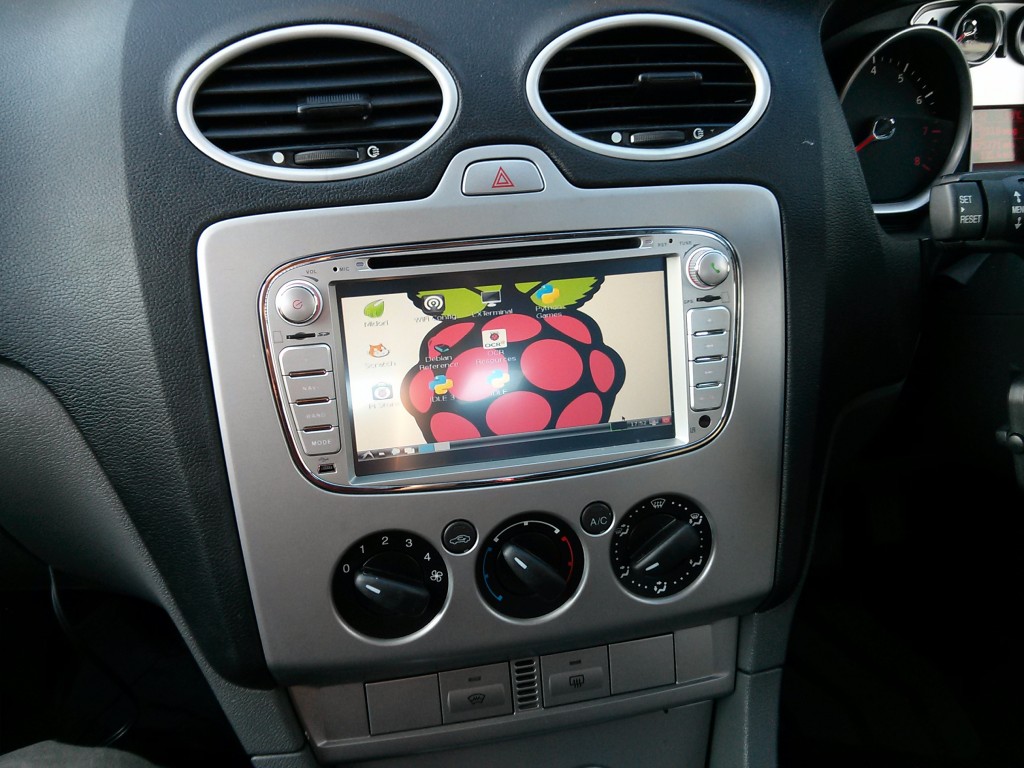 Raspbian running in the dash of a Ford Focus Last century I spent weeks researching car computers. I wanted mp3s, videos and access to Notepad on the road. I wanted my car to respect and love me, just like KITT loved David. I wanted it to shout, “Right on tiger!” when I achieved an optimum MPG and to flash up encouraging messages like, “Hello Clive, might I say that you are driving very handsomely today” on a heads-up display. Sadly it was never to happen. The reality was that you needed a PC the size of a coypu in the boot; an industrial 12/240v inverter; a 15″ CRT monitor strapped to your dash; and hawseholes in your bulkheads. And after a week of constant rebooting halfway through Captain Sensible’s Happy Talk, your hard drive failed because of the vibration and your battery discharged for good. (I gave up and bought a 32Mb Diamond Rio and a hi-tech cassette adapter instead.) Back in the 21st century, Derek Knaggs at Flamelily I.T has made the thing of my dreams: a low cost, low maintenance, general purpose car computer. There are other Pi-based car computers about but we especially liked this one because it’s simple, cheap and it looks like a factory fit. Very smart.  A quick swap of SDs and Raspbmc meets all of your multimedia needs The Raspberry Pi is stored in the centre console and all wires routed underneath. Audio is fed through the aux socket of the car’s radio so no additional hardware is needed for this. A wifi dongle provides internet connectivity on the move via a mobile phone hotspot. 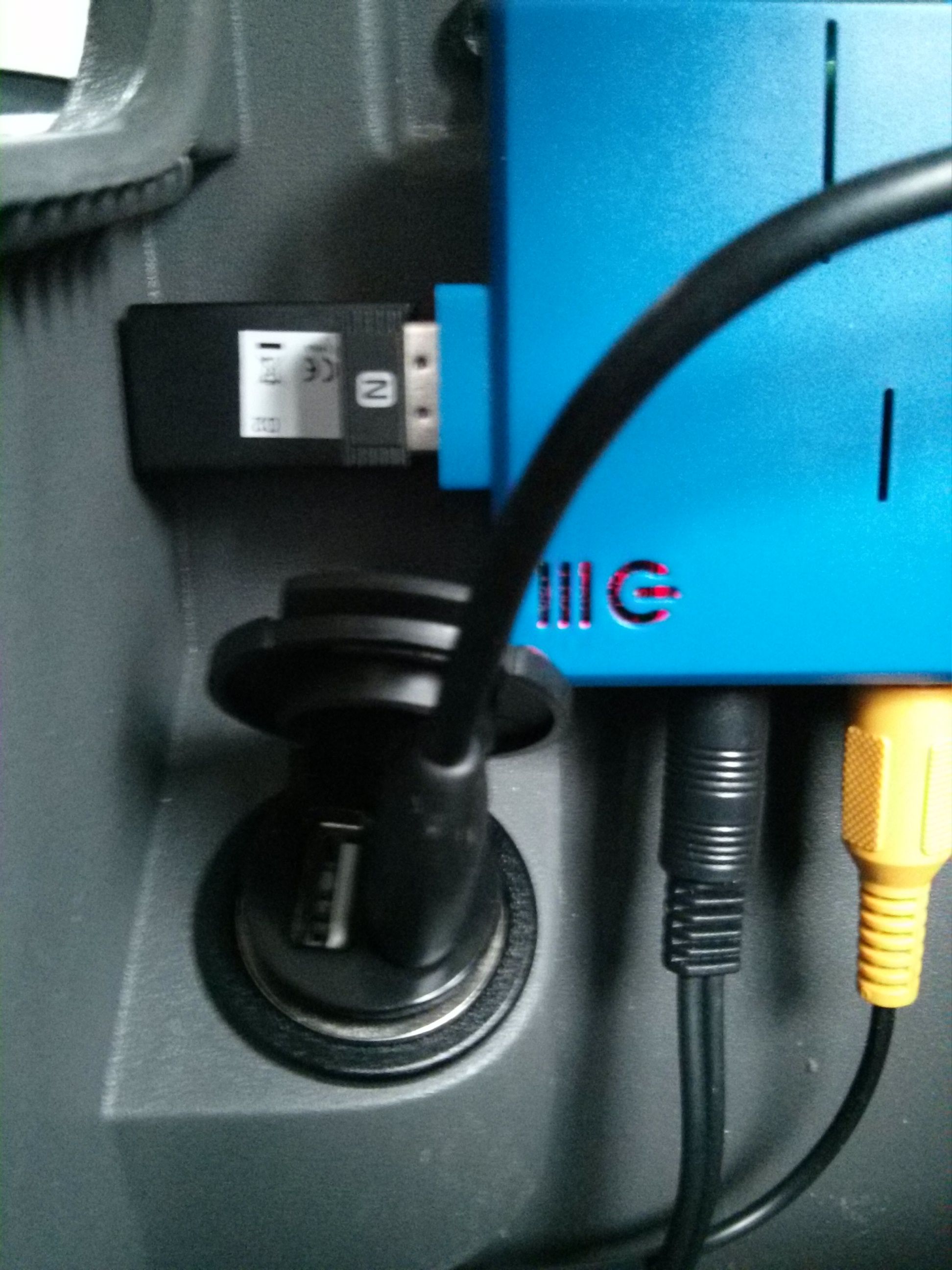 Neatly tucked away in the console — note the wifi dongle for internet on the move. Full details including a shopping list are on Derek’s blog. I’m off to make one. |
Join the Hall of Fame: Become a Digital Library Champion!
|
It's springtime and love is in the air! As you know, all of us here at OverDrive love digital media and we absolutely love our library partners. Large or small, public or educational – no matter the size or type of library, we love you all.
The Digital Library Champions contest is just another way for us to show you some love, in the form of content credit, a new tablet or eReader, a shiny plaque and adoration from your peers.
What does it take to become a Digital Library Champion? You have to share our passion for eBooks and audiobooks. We want to find the cheerleaders, the innovators and the success stories. We're looking for digital media marketing mavens! There are many chances to win with categories honoring the most creative and effective marketing campaigns: Inside the Library, Outside the Library, Online, through the Test Drive program and for our schools and colleges, in the classroom. We'll also select a grand prize winner to win the OverDrive Allstar Award for exceling in multiple categories.
Need some inspiration? Check out our winners from the past on our new Pinterest board, Hall of Fame: Digital Library Champions. Many librarians and even Library Journal have already been repinning and sharing promotional ideas from our past winners!
Your library could be the next to enter the Hall of Fame and win fabulous prizes – all you have to do is enter. The contest ends Tuesday June 11th so make sure to submit your entry form soon! Find all the details in the Digital Library Champions contest launch blog post. Send us entries, comments and questions to outreachcontest@overdrive.com.
Don't miss your chance to become a Digital Library Champion!
Melissa Marin is a Marketing Specialist at OverDrive.
 |


Google Play Magazine App Updated, Gets a New UI
| Google has introduced some new changes to its Play Magazine app, which now has been bumped up to version 2.0. The change comes on the back of a similar effort towards Google Play Music and its Play Store, both of which received their respective updates recently. As part of the enhancements brought about at the Play Magazine, the app now sports a cleaner and organized look and the interface looks brighter. A new slide out bar has been introduced to switch views from Read Now, Library, and Shopping mode. Purple has emerged as the theme color for the Play Magazine, though it still lacks features such as bookmarking, copy and paste, or highlighting.
Google Play Magazine App Updated, Gets a New UI is a post from: E-Reader News |

Amazon Appstore and Kindle Fire HD Tablets Now Available Globally
| Amazon announced today that they have opened the doors of their Android appstore to nearly 200 countries worldwide. Previously it had only been accessible to those in the United States since launching in early 2011, and Japan and parts of Europe since fall 2012. This is good news for international tablet users because Amazon’s appstore [...] |
Barnes and Noble Kicks Off Summer Program for Young Readers
| Public libraries and bookstores around the country are rolling out their summer reading programs in an effort to help students retain the progress they’ve made throughout the school year. While educators are all too familiar with the so-called “summer slide,” programs that encourage reading comprehension and exploration can have a valuable impact on students’ ability levels when they return to school in the fall. This summer, Barnes and Noble is once again encouraging participation in its summer reading program by offering prizes and free books to students who participate. Aimed at students in grades one through six, the program, Imagination’s Destination, runs from May 21st through September 3rd and offers unique incentives throughout the summer weeks. "Our Summer Reading Program encourages children to read for pleasure, inspiring a lifelong love of reading. It's so much fun to see a child's face light up when they turn in their completed journal sheet and get to choose a free book from the store display," said Sarah DiFrancesco, Director of Business Development for Barnes & Noble, in a statement unveiling the program. "Our stores partner with their local schools and libraries to get the word out in the community. Educators and librarians love the program, too, because they also want to encourage children to read during the summer months. Add our special promotions with Roald Dahl and Dan Gutman books and the best lineup of summer skills workbooks, and Barnes & Noble is truly the best destination for summer reading fun, learning and savings." Educators also have special promotional tools and items that can be shared with their students during these last few days of the current school year in the Summer Reading Activity Kit. More than just announcements for the program, these tools help students engage in active reading by asking them to transfer the words on the page to higher order thinking and characterization, and can actually serve classroom purpose throughout the school year. Information for both parents and teachers can be found in a special educators’ section at bn.com/summerreading.
Barnes and Noble Kicks Off Summer Program for Young Readers is a post from: E-Reader News |

Kindle Fire HD and Amazon App Store Expands to Hundreds of Markets
| Amazon has just announced that they are now making its Kindle Fire HD 7 and 8.9 tablets available in over 170 different countries. The company also mentioned that its Android App Market will be available in over 200 countries. The Kindle Fire HD WIFI tablets will be available to pre-order starting today. The first shipment will be dispatched on June 13th and the international crowd will find a lot more viability in accessing content with the entire app store now available. To celebrate this move, Amazon is giving a few apps away for free on May 23-24. Fruit Ninja and Cut the Rope Experiments could be incentive for people to gravitate towards these devices. App Developers will have the ability in hundreds of new markets to submit Android apps into the Amazon store. Amazon curates it fairly vigorously, and not everything is accepted, like Google Play. Recently, Amazon announced its virtual currency, Amazon Coins. This allows for micro transactions within the apps and can even be used to buy a paid version of an app. "Kindle Fire HD is the #1 best-selling item in the world for Amazon since its launch, and we’re thrilled to make it available to even more customers around the globe today," said Dave Limp, Vice President, Amazon Kindle. "Not only does Kindle Fire feature advanced hardware, it's also a service. When combined with our content ecosystem, great email and browsing and top-rated customer service, we hope people around the world will agree that Kindle Fire HD is the best tablet for an incredible price." Amazon is in the business of severely discounting the hardware to make up for digital sales. Over a million ebooks are currently in the system and in the last year Amazon has started to offer exclusives. Amazon Prime members get a free ebook every month for buying into the $79.99 package, which also gives free movies and free shipping. Kindle Fire HD and Amazon App Store Expands to Hundreds of Markets is a post from: E-Reader News |

Wednesday, May 22, 2013
Good e-Reader Radio Show – SID Display Week and IDPF Preview
| Welcome back to another jaw-dropping edition of the Good e-Reader Radio show, put the little ones to bed and hide your daughters. Today, I will regale you with tales of SID Display Week and some of the cool tech Peter and myself saw. Mirasol display technology is in-fact not dead, and they have a new smartphone and watch. e-Ink was showcasing a ton of goodies and were displaying the new Sony 13.3 inch e-Reader. Amazon was in the news today, with Kindle Worlds, a new Fan-Fiction writing service that allows authors to actually earn a little bit of money. There was also a new report on Canadians and their eBook buying habits. Finally, IDPF and Book Expo America is right around the corner. Our entire team will be in New York for a week, getting all the news. We will be covering all the major sessions on EPUB3, HTMl5, Self-Publishing, Big Data, the future of the industry and more! Being the main media sponsors has its advantage, as we have interviews with best selling author Sylvia Day, GoodReads CEO Otis Chandler and many more prolific authors. Good e-Reader Radio Show – SID Display Week and IDPF Preview is a post from: E-Reader News |

Kobo Suspends Google Affiliate Program and Switches to Rakuten LinkShare
| Affiliate programs are very popular with booksellers, indie bookstores, authors and online websites. Kobo has been running theirs for a number of years and allows people to earn a 5% commission for ebook sales, while devices and accessories generate 10%. Today, Kobo announced that they were severing ties with Google Affiliates and transitioning to the Rakuten Linkshare program. Rakuten has been running their own affiliate program for a long time and taps into not only Kobo but other online retailers, such as Barnes and Noble. Recently Kobo lowered their commissions on their affiliate program across the board. Kobo is decreased it from 8% to 5% and also scraped their tiered system that allowed people who grossed over $1500 in sales to be bumped up to 15%. The Rakuten network allows people a bit more flexibility such as; Direct Links, API Access, and Country Specific data. One of the best features is the Compile a Catalog, which allows affiliates to create a comprehensive and dynamic list of eBooks to appeal to your audience. In order to encourage people to make the switch, Kobo will be giving an extra 2% above the base commission through August 31st, 2013. You can be paid by check or direct deposit, on your transactions and will enjoy the monthly Kobo email that makes you aware of savings and discounts. If you want to be paid by direct deposit, it is only available in Australia, Austria, Belgium, Canada, France, Germany, Ireland, Mexico, Netherlands, New Zealand, Spain, Switzerland, the UK and the US. The main reason Kobo is switching their main affiliate program is because Google themselves are suspending their model in the next few months. Considering Kobo is owned by Rakuten, it makes sense to have their home base where the parent company is. If you are not already a member of Rakuten LinkShare, here are the signup links: Canada Kobo Suspends Google Affiliate Program and Switches to Rakuten LinkShare is a post from: E-Reader News |

News from the Big Six, Apple Antitrust Settlements
| Today, the final piece of the Big Six puzzle fell into place. Months after the initial co-defendants in an antitrust lawsuit settled out of court, the remaining publisher, Penguin, settled with the attorneys general from 33 states for $75 million. This settlement comes less than a year after Penguin settled a similar claim with the Department of Justice. "This proposed settlement is a powerful demonstration of what is possible when federal, state and private class antitrust enforcement lawyers work together," said Steve W. Berman, managing partner of Hagens Berman, in a statement issued by the firm today. "In this case, the level of cooperation was unprecedented, and the results that we were able to deliver to the states and consumers demonstrate that." All of the controversy in these court proceedings surround the claim that five of the Big Six publishers colluded with Apple to prevent Amazon from discounting the price of ebooks in order to further sales of Kindle e-readers. Industry professionals from every corner of the publishing world have weighed in on the issue since it was first raised in 2010, some in favor of the suit brought against allegations of price fixing, but others in support of taking down the corporate empire in Amazon. Despite the lengthy proceedings, today’s statement from the lead counsel actually applauded the publisher for taking the initiative and taking step to move forward in the best interests of ebook consumers. "Penguin’s senior management deserves credit for working with us and the attorneys general to reach a comprehensive agreement in such a hotly contested case," said Jeff D. Friedman, Hagens Berman partner. "They've agreed to a settlement that will go a long way toward making e-book consumers whole and restoring a thriving, again-competitive e-book marketplace." While the terms of the settlement have been agreed upon, it is still ultimately up to the courts to decide if these terms meet the best interests of the consumers. Those proceedings will get underway later this summer, while the lawsuits brought against Apple are slated to begin next month.
News from the Big Six, Apple Antitrust Settlements is a post from: E-Reader News |

Blackberry 10 Coming to the Playbook
| Blackberry Mexico has confirmed that the new Blackberry 10 operating system will be hitting the Playbook in the next few weeks. This will insure that many of the most popular apps such as Netflix and Instagram will finally be available via our Good e-Reader App Store. Blackberry 10 is the latest operating system that hit the Z10 and Q10 smartphones. It took years of development to ready it for a commercial release and is the last hope of Blackberry to remain relevant in the hardware world. Many top executives at Blackberry have claimed they have no plans to make anymore tablets, as they see them as a dying technology. Instead, the company is betting on licensing out BBM and their BES technology out to Apple and Android developers. Still, the Playbook crowd is tremendously loyal to Blackberry and the fact that BB10 is finally going to hit it, will breath new life into it. This will insure that thousands of apps will be able to run on it. Blackberry 10 Coming to the Playbook is a post from: E-Reader News |

Launch of Kindle Worlds Pays Authors, Originators for Fan Fiction
| Fan fiction is an often hotly-contested issue in publishing. The concept of writers taking existing characters and settings and writing entirely new story lines for them can be deeply divisive. For some authors, having fans write new plots with their established characters is a flattering look at the ways their readers engage with the characters, and symbolizes that the authors’ works were so meaningful to the fans that they weren’t ready to let go of the fun. For other authors, however, fan fiction is akin to theft, and lawsuits have been enacted to halt it. For its part, Amazon Publishing announced today that it is rolling out a new self-publishing platform the lets writers explore their favorite characters through published fan fiction, while still acknowledging the ownership of those characters by the original rights’ holders. Kindle Worlds, a fan fiction platform that will pay both the fan fiction author and the original authors royalties from the sales, already has inked deals with several major book and television series. Under this royalty structure, the authors will continue to earn 35% of net sales. "Our books have generated a massive amount of fan fiction, and we see this as an evolution in publishing and a valuable way of broadening our brands and engaging fans," said Leslie Morgenstein, President Alloy Entertainment. "When working with Amazon Publishing on this scale, we know we're in good hands and everyone will benefit." "Seeing Pretty Little Liars fans adapt and create their own stories is both exciting and flattering and I think what Amazon Publishing is offering through Kindle Worlds is a great way to reward their ingenuity," said Sara Shepard, author of Pretty Little Liars. Several authors have already signed on to have their works included in this platform, or to create new content within Kindle Worlds. Amazon Publishing will be working with the original rights’ holders to set guidelines for what is deemed acceptable to ensure the integrity of their original works.
Launch of Kindle Worlds Pays Authors, Originators for Fan Fiction is a post from: E-Reader News |

Big Library Read: “The Four Corners of the Sky” Discussion Questions
| Are you participating in the Big Library Read? With so many patrons of your library simultaneously reading the featured eBook "The Four Corners of the Sky" by Michael Malone, now is a great time to spark conversation. Whether you host book club meetings or use social networking for these discussions, get the conversation started with this Reading Group Discussion Guide, provided by our Big Library Read partner, Sourcebooks. Encourage users to think of their own questions to prepare for the Facebook chat with the author tomorrow (May 23rd) at 8 p.m. ET.
To save you some time, we’ve posted the discussion guide questions below:
1. Do you think Annie and her father are at all alike?
2. Raffy said, "That's Jack's gift. To make you feel it. He was an artist…He did it for art." Do you agree or disagree? Could Jack be considered an artist? Do you think that was why he did what he did?
3. Who does Jack love? How does he show it? How do other characters in the book demonstrate love in different ways? How do the important people in your life demonstrate love? How do you show that you care about someone?
4. When Annie is 17, her father comes to visit and wants her to come and meet him the night before she leaves for Paris, but she refuses. Why doesn't she go? Would you have gone in that situation?
5. How does forgiveness play a role in Annie's relationship with her father? How does forgiveness play a role in all relationships? Which of your relationships requires the most forgiveness?
6. Jack is famous for telling stories. Is there a difference between the stories Jack tells to Annie and the ones he tells to the people he's conning? Are stories necessarily lies?
7. Jack promises to leave Annie a million dollars. Of all the promises he made and broke, he keeps this one. Why does he keep this particular promise? Is this the one promise Annie would have chosen for him to keep? Which promise that Jack broke do you think Annie would have traded for this one?
8. Like the puzzle at Pilgrim's rest, there are many different pieces of Annie's life that have to come together before she feels fulfilled. In the end, it was Dan who put the final pieces together, who helped her make her life complete. What do you believe it takes to make a life complete and fulfilling?
9. Annie said of her father: "He's a crook. That's a fact." to which Raffy replied: "Facts have nothing to do with this." Is Jack really just a criminal, or is there more to him than Annie wants to admit? What kind of person do you think Jack really is?
10. Look at the family history, as told by Kim in chapter 6. From "The Boss" to Annie, what traits do all the Peringrine's have in common? Are there any exceptions? What traits are shared by your family? Are there any exceptions in your family?
11. Sam tells Clark that she wants Annie to be happy. "Fall in love and be happy," she says. Does falling in love necessarily make people happy? Did it make Annie happy?
12. Annie spends much of the novel wondering about her father and her 'real' mother, even though she has Sam and Clark. Who is Annie's family? How do you define family? Who makes up the family that you have chosen for yourself?
13. What's your opinion of Brad? Does the manner of his death affect your view of him?
14. Sitting at La Loca, Annie goes through her father's old business cards and admits that she loved him just as much as everybody else who had fallen for his schemes, and that "love was the biggest con there was." Did Jack con Annie and the rest of his family? Do you agree that love is a con? When have you felt conned by love?
15. Look at Clark and D.K.'s reaction to Annie joining the Navy. Both of them are veterans of the Vietnam War, with vastly different experiences and feelings toward the military. How has that affected their views of world? If you know anyone who was or is in the military, how has that service affected their world view?
16. When Jack covered up his father's murder with the fake suicide note, was he really protecting Sam? Or was it about protecting his mother or himself? What would you have done in the same situation? In what situations would you consider it acceptable to evade or lie to the authorities?
17. Our history can shape who we are as people. Jack and Sam came through a very sad and abusive childhood to grow into very different people. How has your childhood shaped your present? Do you have siblings that grew up with you, but turned out to be very different from yourself? Why do you think that is?
18. Annie had been searching for her mother all her life, while Ruth never knew she had a daughter. What do you think Ruth and Annie were feeling as they sat across from each other at that table in Cuba? How do you imagine you would have felt in Annie's shoes? In Ruth's?
19. Annie, Sam, Clark, and Jack all face death or abandonment at some point in their lives. Sam takes comfort in movies, Annie in speed. How has death affected each character's approach to his or her own life? Have you experienced a traumatic loss that drastically affected your approach to your life? In what ways did your behavior change after that loss?
20. Look at the different ways Sam and Annie respond to the news that Jack might be dying. Compare them to the family of Coach Ronny Buschstabe, whose funereal Annie accidentally attended. Which family do you relate more closely with? Is there a "normal" way to grieve?
21. Annie started this story at 90 mph in her Porsche and ended it walking down the aisle and then standing at a grave. What happened to make Annie slow down in life? What events have occurred in your life to encourage you to take things a little slower? Did you always recognize those events or people at the time?
Melissa Marin is a Marketing Specialist at OverDrive.  |

Qantas Commissions Series of Flight-Length Books
| While US lawmakers continue to debate the merits or lack of justification for in-flight bans on electronic devices, Australian airlines Qantas is taking a different approach by commissioning a series of paperback books that are the perfect length for an extended flight. The series, called “A Story for Every Journey,” will be published by Hachette and feature some of the more popular genres based on typical airport sales like thrillers and non-fiction. “It occurred to us that, in this world of Kindles and iPads, the last bastion of the humble, paperback novel is actually at 40,000 feet,” said Droga5 Sydney Creative Chairman David Nobay in an interview with Advertising Age. “Just take a look at the bulging shelves at any airport bookstore. But, for all its relative clumsiness, there’s an unmistakably reassuring charm about thumbing through a good book as you recline amongst the clouds.” These flight-length titles will be created with the purpose of allowing passengers to finish their books just as the flights land, even allowing for time for passengers to sleep or stop reading for meals on longer flights. The estimates on book length are actually calculated based on average reading speed. “According to our literary friends at Hachette, the average reader consumes between 200 and 300 words per minute, which equates to about a page per minute,” said Mr. Nobay. That idea was applied more specifically to the shorter novels and flights, but “for the longer flights, we accommodated some napping time and meals,” Mr. Nobay said. “After a few hours with a fine Qantas in-flight meal with Australian Shiraz, most people need a break from reading.” If this concept in reading takes off (pun intended) and if lawmakers insist on holding to strict regulations on the use of mobile devices during air travel, there is potential for a surge in not only print-reading, but also a shift towards more books being written with an intentional audience already in mind.
Qantas Commissions Series of Flight-Length Books is a post from: E-Reader News |

A Closer Look at Sony’s New 13.3″ E Ink PDF Reader Prototype (Videos)
| Earlier this month Sony revealed that they are planning on releasing a trial run of a new PDF reading device later this year in Japan that uses a 13.3″ Mobius E Ink screen. Sony’s device is the first to use a Mobius display, and that’s because Mobius was co-developed by Sony and E Ink in [...] |
Juvenile and Young Adult Summer Reading- Part 1
| I became acquainted with the nomadic Cullen family and the small unassuming town of Forks, Washington, a few summers ago. I'll admit I was not originally a fan of 'Twilight'. Several close friends had tried convincing me of the merits of the four title series by Stephanie Meyer. However, I didn't believe that any adult could enjoy a world of teen vampires who fall in love against the backdrop of the gloomy Pacific Northwest. Eventually, I agreed to try the first book and to my surprise I became immersed in the story. I stayed awake at night devouring the tale of Bella, Edward, and Jacob. The series became an international phenomenon, and like 'Harry Potter', the story was so inviting that many who read it (including me) wished they could be a part of this magical story. And that is the beautiful thing about reading! While turning those pages, you ARE a part of the story.
The Hot Reads:
Each summer, I create a "hot reads" list; titles that are causing a stir within the book world and first title on the list is the National Bestseller 'The Mysterious Benedict Society' by Trenton Lee Stewart is a magical series with elements of Charlie and his Chocolate Factory as well as the escapades of our old friend, Harry. When a peculiar ad appears in the newspaper, dozens of children enroll to take a series of mysterious, mind-bending tests. But in the end, only four very special and gifted children will succeed and be invited to attend the prestigious Learning Institute for the Very Enlightened.
I have a feeling that 'Wonder' by R.J. Palacio is going to be the book everyone is talking about this summer. The story chronicles the fifth grade year of Auggie Pullman who was born with a facial deformity. It starts "I won't describe what I look like. Whatever you're thinking, it's probably worse." I think I might select this one as the summer's first "hot read". It will be a good one to begin with, a new season and a new perspective. What will you read this summer?
These titles and many more great summer reads are available for purchase in Content Reserve in the Summer 2012 YA/Juvenile Read-A-likes list.
Renee Lienhard is an Analyst for the Collection Development team at Overdrive  |

Long term, deep water, satellite connected ocean monitoring system
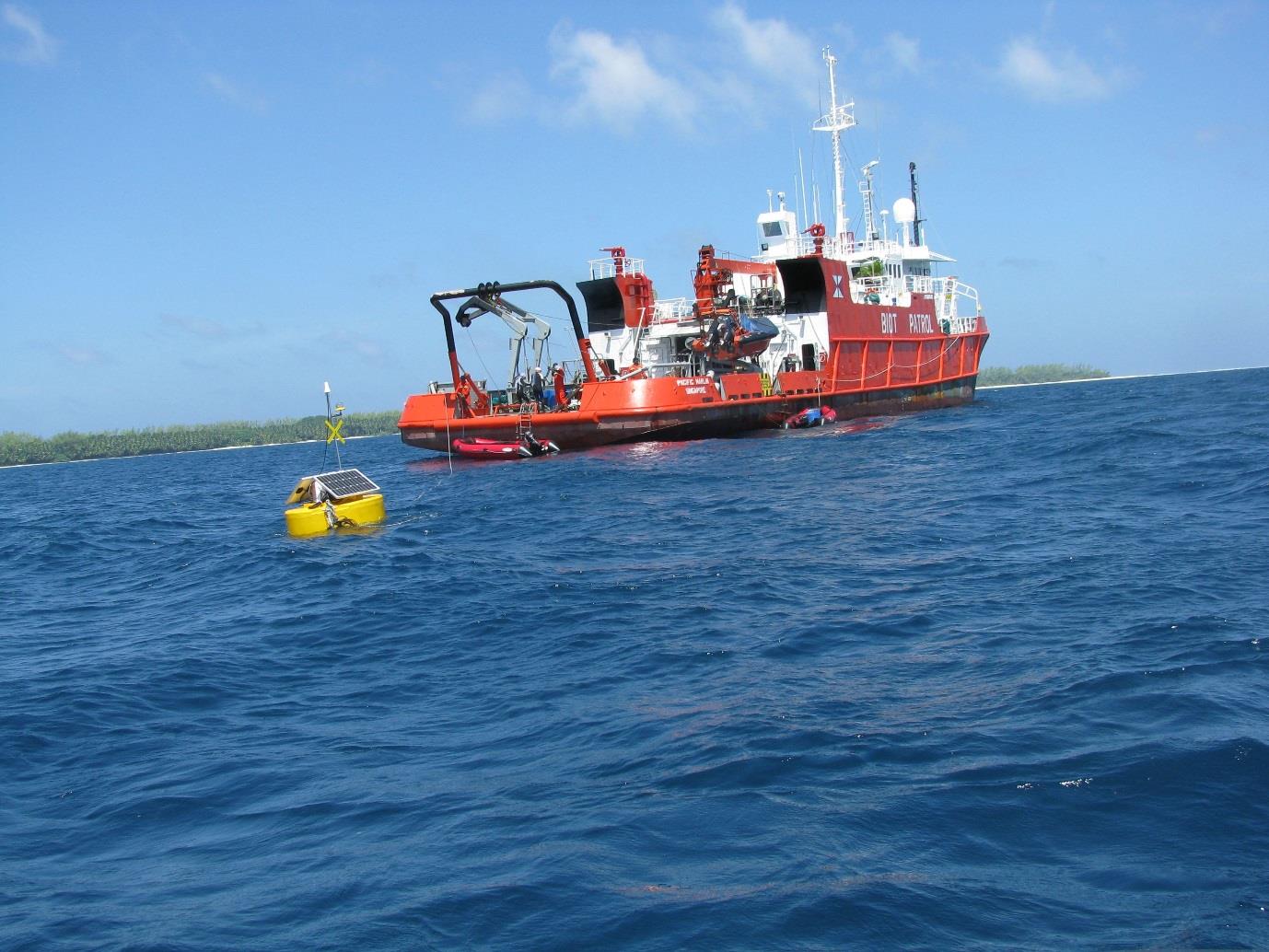
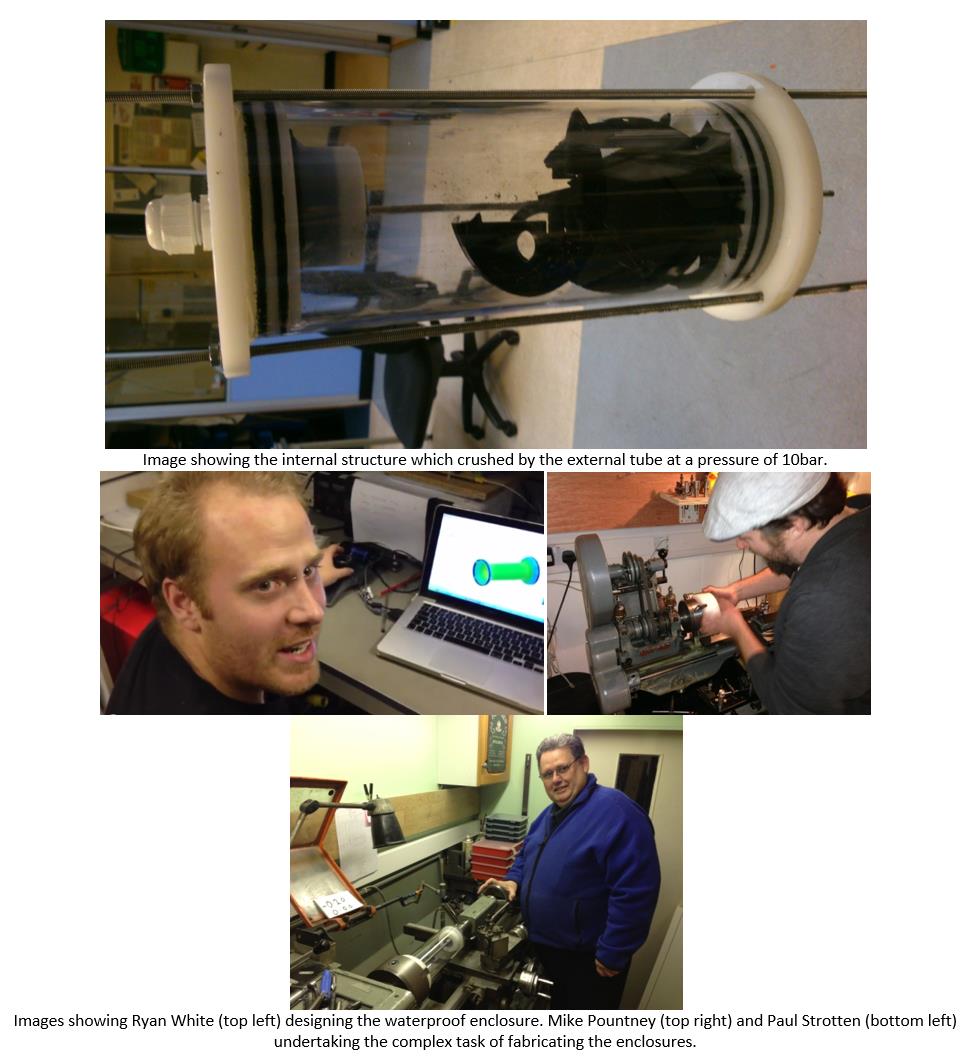
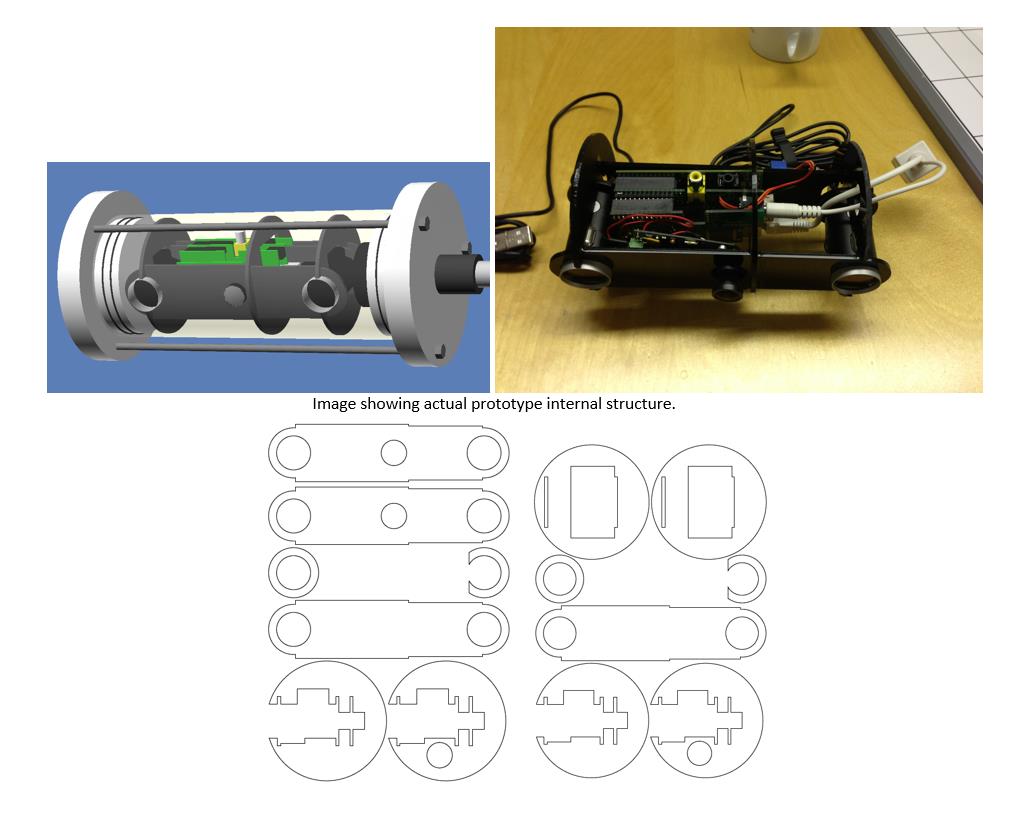
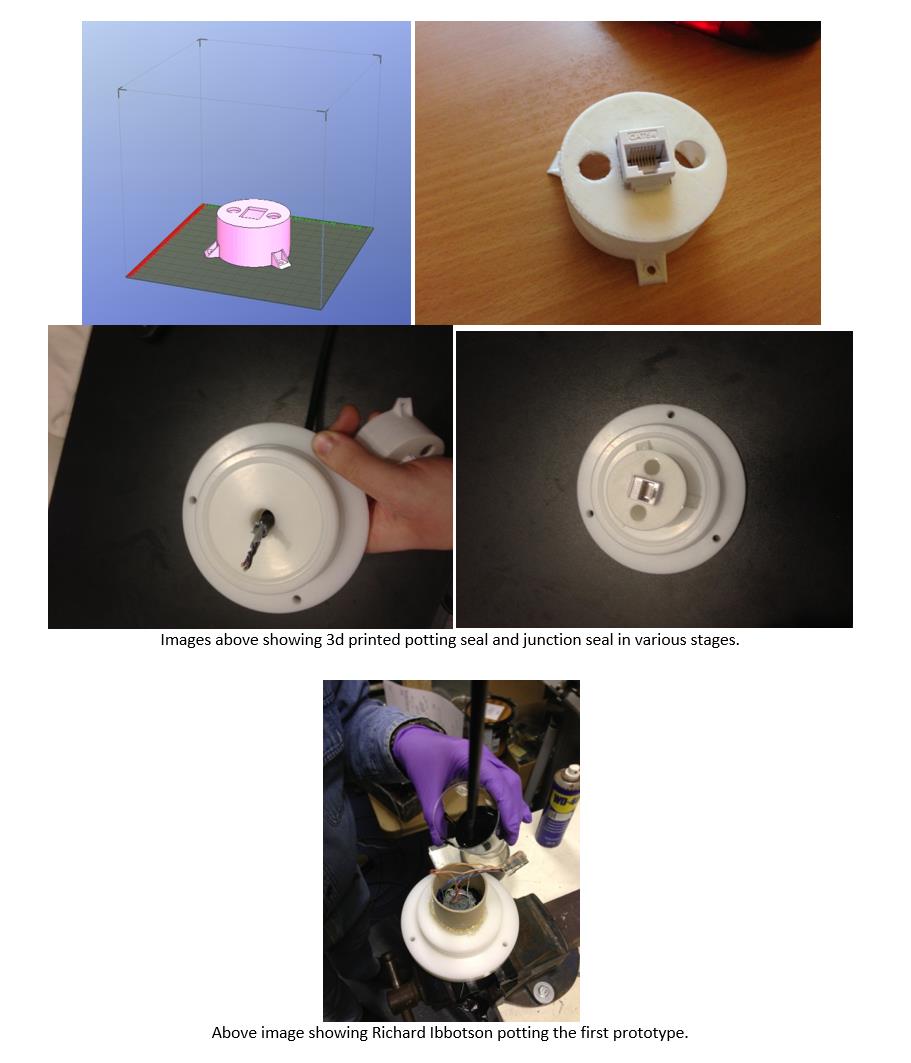
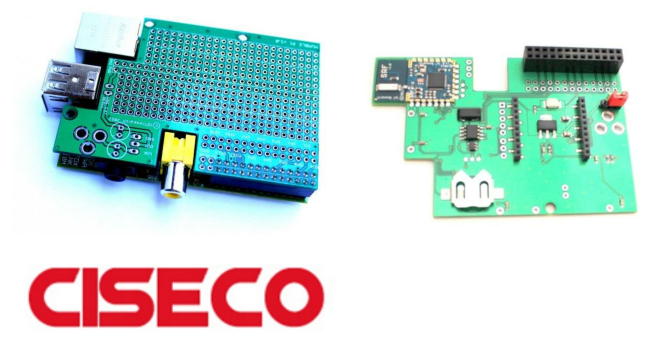
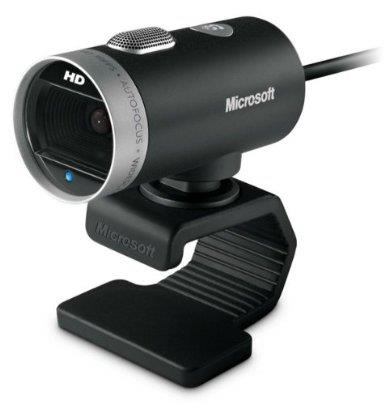
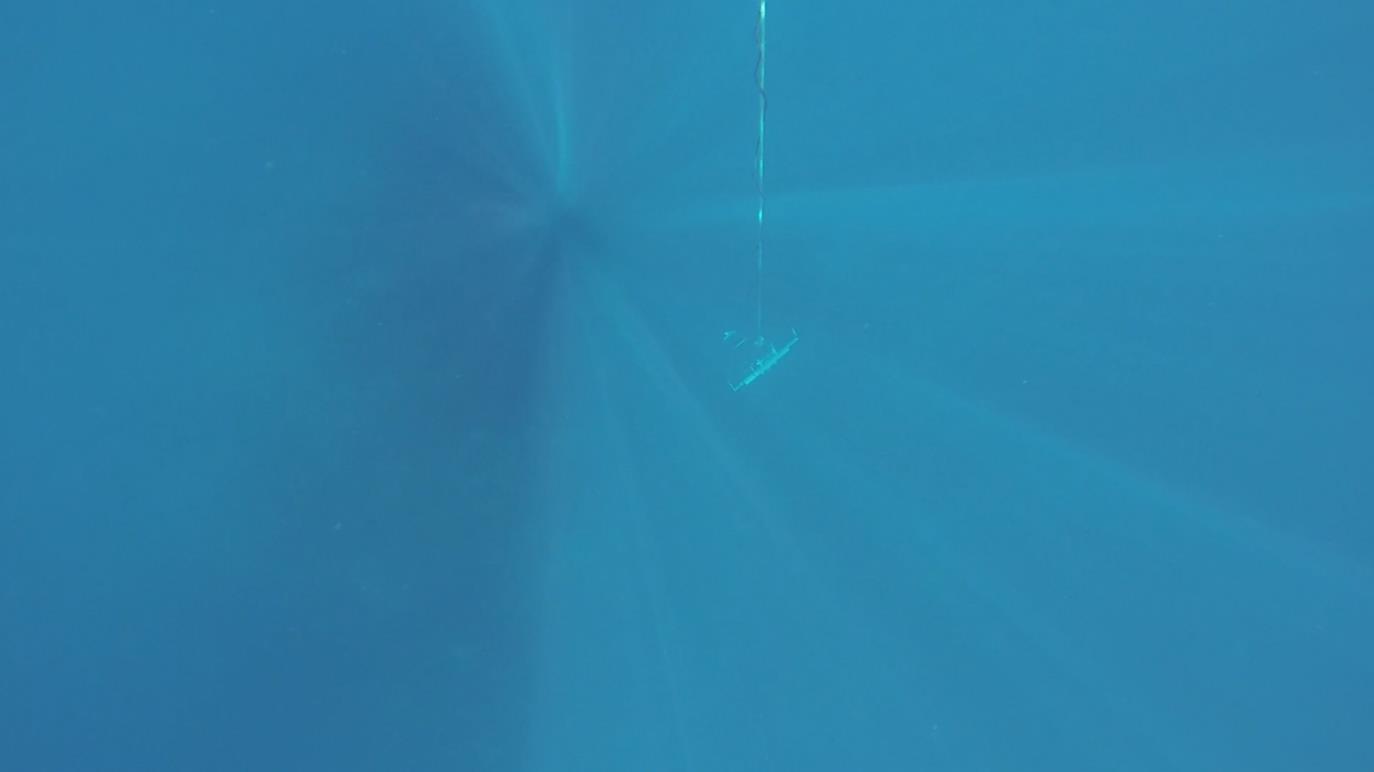
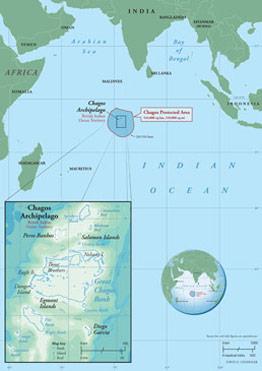
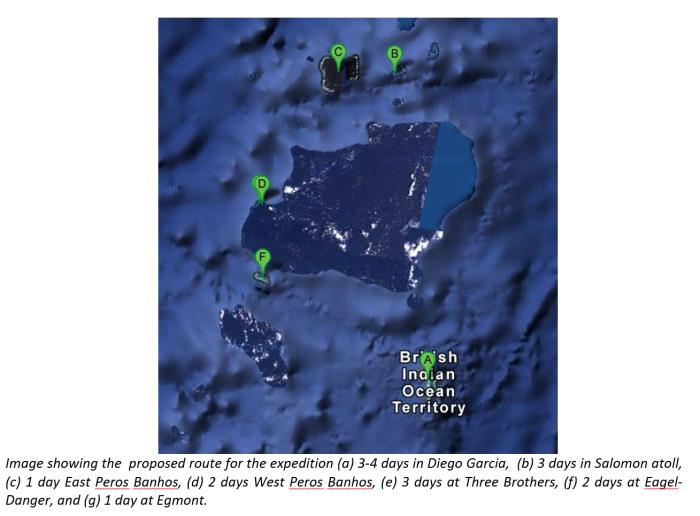
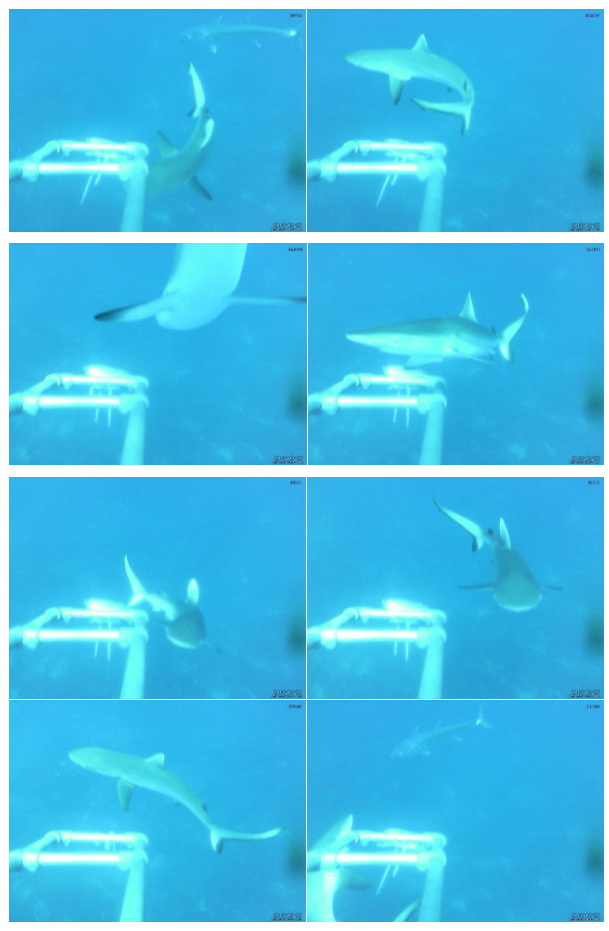
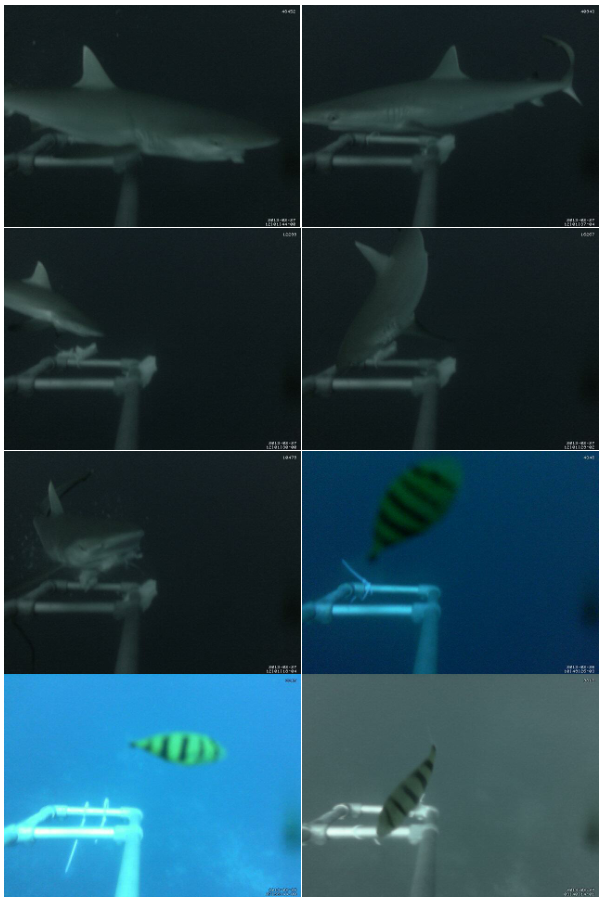
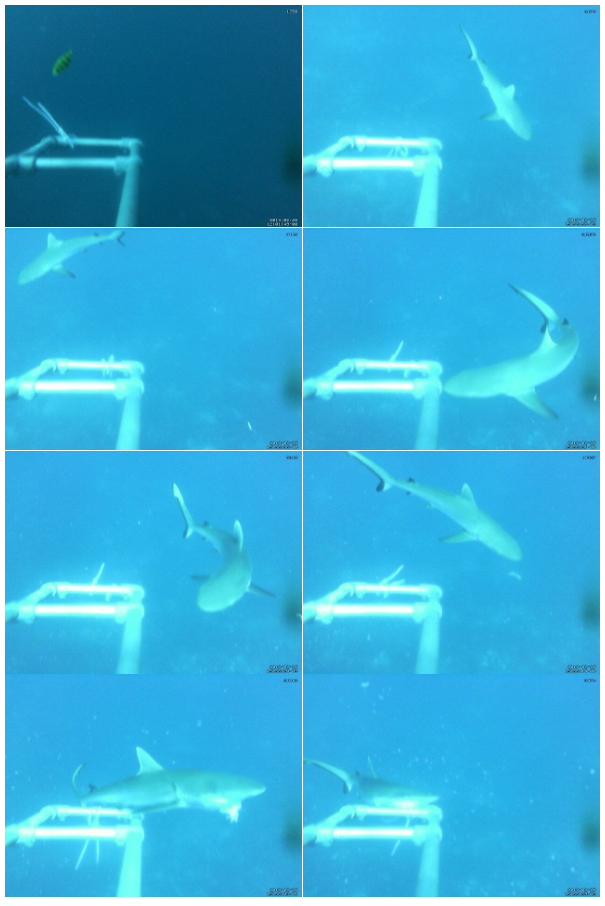
| Conservation, hackspaces and Raspberry Pis. And sharks. How could this not be the blog of the day? Gary Fletcher of ZSL sent us this report. Marine Conservation CameraZSL have developed low cost cameras to monitor marine biodiversity in large marine protected areas (MPAs) using the $35 Raspberry Pi single board computers and standard webcams and running opensource Motion tracking software. ZSL reached out to UK hackspaces to help design the cameras and achieved unprecedented economy and features. Why Raspberry Pi?Traditionally it has been incredibly difficult to capture events underwater – all of the usual apparatus such as PIR/heat, infrared and ultrasonic sensors simply do not work underwater. The Raspberry Pi literally opened up a new door with its low power consumption and processing power. It allowed us to deploy a solution which really fits the bill and without it would have been very troublesome to achieve! HardwareEach camera was deployed on an anchored buoy. Mounted directly onto the buoys were two solar panels for charging two deep cycle 90Ah lead-acid gel batteries, the aerial, and a waterproof box containing the communications system. This was then connected to a 50m SWA cat-5 cable running down to the pressure vessel containing the camera itself. Pressure VesselThe cameras are designed to operate at depths between 20 and 50 meters. Rlab’s (Reading Hackspace) Ryan White suggested basing the design around a clear polycarbonate tube, with machined HDPE end caps secured by threaded rods and double o-rings. One end-cap had a threaded hole which SWA cat- 5 cable was run though, anchored to the inside and then potted. This cable runs the power and communications. BuildBrighton’s Mike Poutney and Paul Strotten machined the endcaps on their lathe and offered some great technical advice which was very well received. The outer pressure vessels easily survived a 100m pressure test in a hydrostatic chamber. It should go significantly deeper had the internal structure not failed at that point. Internal StructureRlab’s (Reading Hackspace) Barnaby Shearer designed the internal support structure. This was laser cut from 3mm acrylic. The designs were done in 3D in OpenSCAD to check all the components fitted together, then projected into 2d for laser cutting. The acrylic was glued with tensol. Cable waterproofingThe junction box was 3d printed and then sealed using potting compound and left to dry for some time also forming a mechanical join between the inside and the cable gland. CommunicationsAttached to the buoy in a waterproof case was a Raspberry Pi to coordinate the communications. This had an Ethernet link to the Raspberry Pi in the pressure vessel. It also had a WiFi dongle running in access point mode to allow easy monitoring and reconfiguration form the research vessel. The Pi also has a serial connection to an Iridium satellite modem so it can stream pictures of the images captured. The satellite image transfer software was specially developed by Cambridge Consultants and the equipment and satellite bandwidth for this trip was kindly sponsored by Iridium. ElectronicsAttached to the bottom Pi was an Eve board to provide the Pi a RTC and a temperature sensor. Also attached was Ciseco's Humble Pi hosting an AVR and a mosfet to to turn the Pi off at night (and critically back on each morning). This Pi wake was developed by Miles and Matt from Ciseco, who make an amazing range of Raspberry Pi and microelectronics and are well worth a look – http://www.ciseco.co.uk/ These boards were slightly modified to handle a HackHD camera via the AVR so we could capture high definition footage as well as stills. The boards were assembled at Nottingham Hackspace. CameraThe camera used is the Microsoft LifeCam Cinema HD, a cost effective camera conforming to the UVC specification. The only gotcha proved to be that it seems to only respond to a few ‘magic’ exposure settings (5,10,20,39,78,156,312,625,1250,2500,5000,10000,20000), and you have to wait 100ms and reset the brightness after any exposure change. SoftwareRlab (Reading Hackspace), Gary Fletcher and Doug Snead provided a simple command line program to control the camera, and a slimmed down version of MJPEG-Streamer optimized for this camera and with some additional time stamping. This stream then fed into Motion which starts saving the frames as JPEGs after it detects an event. The JPEGs are then rsynce'd up to the top Pi (backups are always a good thing). ImageMagick then thumbnails and montages the images for efficient sending over the (slow) satellite link. Stereo VisionThe project did spur off onto some stereo vision development work with Doug Snead and Gary Fletcher but could not be completed in time for deployment. It was hoped that it would be possible to develop this solution as so it could automatically size the passing fish to add to our conservation data.  Image showing the accurate sizing of a fish tied to the ceiling flapping in front of an oscillating fan. What did it Look LikeThe deepest ever Pi?At 50 meters deep – could this be the deepest Pi to date? Where was it Deployed?The system was tested at ZSL in London Zoo behind the scenes and then went onto to open Ocean tests in the largest marine protected area in the world, the Chagos Archipelago. 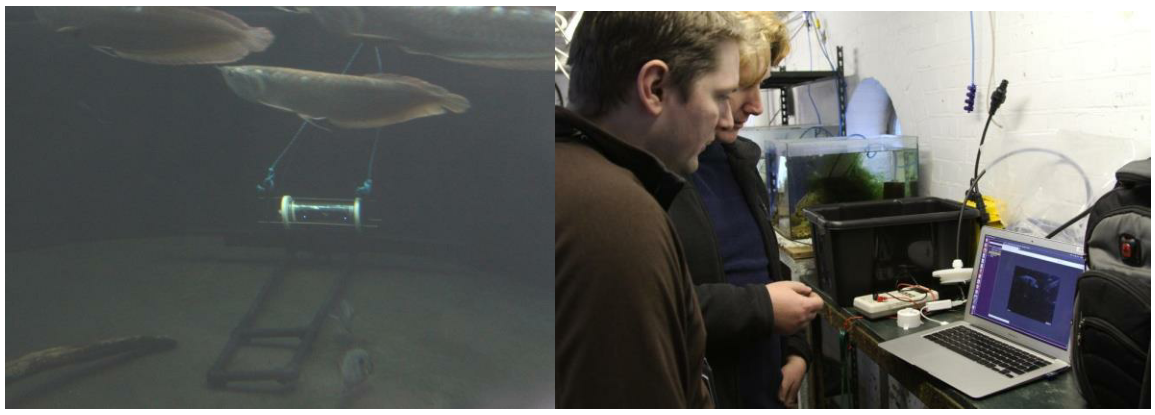 Gary Fletcher and Barnaby Shearer the camera at ZSL London Zoo, behind the scenes ResultsWell as you can see the results speak for itself, but there is still quite a lot of development work to do but once these sentient units are complete, it will offer a low-cost monitoring system that, when deployed as a network, will greatly expand ocean areas that can be observed. For those that would like a little further reading on the actual deployment, please have a look here on the Chagos Trust website http://chagos-trust.org/projects/latest/feb-2013-expedition/battling-heat AcknowledgementsGary Fletcher, Barnaby Shearer, Ryan White, Richard Ibbotson, Doug Snead, Paul Strotten, Mike Pountney, Miles Hodkinson, Matt Lloyd, Adam Markwell, Gary Fletcher Senior, Anna Fletcher, Charles Turner, Marty Morriss, David Curnick, Matthew Gollock, Heather Koldewey, Alasdair Davies, Charles and Anne Shepard, Yannick Mandarin, Ronan Roche, Reece Pitts, Richard Traherne, Marion Campbell, Jonathan Pallant, Ant Skelton. |



The e-Reader and e-Paper Outlook for 2013-2014
| Sid Display Week is happening right now in Vancouver, BC. This conference mainly showcases the latest screen technology for smartphones, televisions, advertising, and, of course, e-readers. We talked to some of the leading companies today and got their outlook on how the current e-reader landscape is shaping up and where the industry might go later this year and into 2014. The e-reader industry is not as alluring as it once was. Over 24 million e-readers will be shipped this year, according to E Ink and Freescale Semi-Conductors. The competition and radical price-drops in this sector are benefiting customers with low-prices of some really quality stuff, but it’s dissuading many companies from entering in or getting out. Neonode, Mirasol, Plastic Logic, Pixel Qi, Bridgestone, and many other companies have entered the competitive landscape of e-readers over the course of the last few years. Almost all of them have abandoned making devices and either got out completely or turned to licensing their technology to other companies. Bridgestone and Plastic Logic got out of making devices and abandoned the sector altogether. Pixel Qi turned to licensing its plastic display screens to government, military, and private businesses. Even the head boss Mary Lou Jepsen jumped ship and is now working for Google as the Head of the Display Division. Qualcomm decided against participating in the e-reader space and instead is working on smartphones and wearable technology. Neonode has something cooking in its RND labs and announced a new IR display screen, but details are minimal. E Ink, the e-paper found in almost all of the current generation e-readers on the market, is optimistic. Most companies that make readers based on their technology will continue to do so for the next few years. Amazon, Barnes and Noble, Kobo, Sony, Pocketbook, Ectaco, and Bookeen remained committed to the spirit of digital reading devices. So how will e-readers change in the next few years? Freescale thinks that many companies will begin to shift towards its i.MX6 Solo processors. The chip has 256 KB of L2 Cache and compatible with 32 bit DDR3 memory chips. It will provide e-readers with faster page turns and a better experience than the current crop of i.MX5 processors that are getting a little bit long in the tooth. We will also continue to see larger screens come down the pipe, as evident in the new Sony 13.3 inch e-reader. It is geared towards academics and PDF enthusiasts. E Ink verified with us that the new flexible display panel can be tailored towards any size, it depends on the cut. So we may see a resurgence in 9.7 inch e-readers that have the weight reduced significantly. Onyx Boox, Qualcomm, Yota, and E Ink think that secondary e-paper screens are the way the industry is moving right now. Google Glasses is the poster child for wearable technology and the internet is rife with Apple iWatch rumors. The truth is, e-paper watches have been around since the Pebble captured the Kickstater imagination by offering a pseudo e-paper experience and pairing it with your smartphone. Onyx, Yota, and Mirasol all think that secondary displays on the back of your phone is the way to go. E Ink formed a relationship with Japan based Seiko a few years ago. They have been pumping out e-paper watches for awhile, and the technology is fairly refined. It will be interesting to see if the broad non-urban type of customer would adopt a secondary display on their phone. Potential uses include Maps, Google Now, Text Messages, and other features. There is an air of uncertainty at SID on the customers, but vendors are expressing a ton of interest. There is one major trend this year at SID in relation to e-paper: advertising. We talked to many small companies involved in digital signage, and they are all marketing e-paper price tags, screens merged together for retail signs, freezer tags, and grocery store fare. E Ink announced two major new technologies at SID, and focused on this emerging sector. I think the company is realizing it can’t have all of its eggs in one basket and is branching away from its bread and butter market. Many small companies have told us that grocery stores and retail are responding in a big way. The tech is still too expensive to replace paper in the short term and only the majors can afford it. Still, there is something alluring at being able to update billboards and price tags on the fly. There is strong WIFI integration with this technology, so you can change the price without having to replace them manually. If it was raining outside, you could set a dynamic program to reduce the prices on umbrellas. Lord knows we need them in Vancouver. To sum it all up, e-readers will remain relevant for the next two years. They will become faster and more responsive. There will also be more choice in the different sizes of screens available, as many vendors are starting to deviate from the six inch standard. You will start to see more e-paper in the retail and produce environment, and secondary display screens will start to emerge.
The e-Reader and e-Paper Outlook for 2013-2014 is a post from: E-Reader News |


Pocketbook Touch Lux e-Reader – First Look
| During the SID Display Week in Vancouver BC, we got our hands on one of the new e-readers that Pocketbook announced a few weeks ago. The Pocketbook Touch Lux is the new kid on the block, and we go hands-on to check out what this device brings to the table. The Pocketbook Touch Lux features the same HD E Ink Pearl display found on the Kindle Paperwhite and Kobo Glo. The exact resolution is 1024×758 and has a front-lit display, which is optimal for reading in the dark. It also has 256 MB of RAM, 4 GB of internal memory, and a SD card support for up to 32 GB of memory. Battery life should be good up to 7,000 page turns. It also has an audio jack so you can listen to audiobooks and music. Sometimes Pocketbook e-Readers feel particularly slow. I have a feeling that most of the internal components are selected from Ricks Restorations bone yard. If you have ever seen the show, it features a slew of crazy characters in Las Vegas that buy and repair vintage items and make them as good as new. Regular viewers of the show are familiar with his bone yard, where rusted items go to die and are cannibalized for parts for existing projects. It feels like Pocketbook paid a visit to said bone yard and randomly selected old computers and beat up monitors and threw them into the Lux. Still, there are some cool features found on this e-reader. Pocketbook borrowed a page out of Kobo’s playbook by adopting its own statistical ebook menu. It shows you how many books or pages you have turned. You can also share some of your reading habits with your friends via Facebook. Pocketbook Touch Lux e-Reader – First Look is a post from: E-Reader News |
